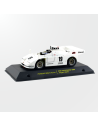
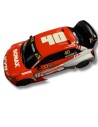
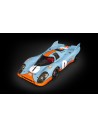
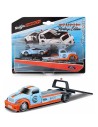
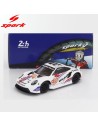
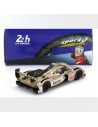
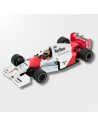
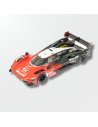
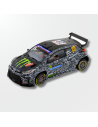
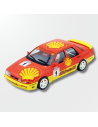
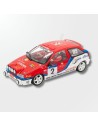
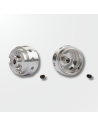
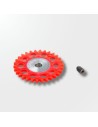
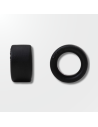
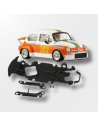
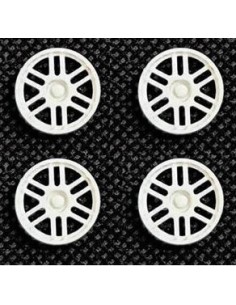
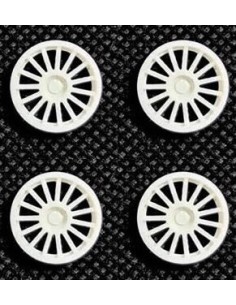
Detail makes the difference. When you observe a car up close —whether it's a 1/32 slot car, a diecast collectible, or a static model— it is the small elements that separate a convincing replica from one that simply "looks like" it. Wheel covers are one of those details that the enthusiast's eye immediately picks up: their shape, colour, finish, and correct scale determine whether the wheel looks like that of a real car or a toy. Therefore, choosing them well is not a whim, but part of the construction or preparation process.
In the world of slot racing, wheel covers also serve a dual function: aesthetic and structural. They protect the rim, provide visual customization, and in some cases, slightly affect the total weight of the wheel-rim assembly, something that the most demanding preparers take into account. In static models and dioramas, their role is purely visual, but no less relevant: a poorly chosen wheel cover —of incorrect scale or from a model that does not correspond— can ruin hours of painting and assembly work.
At Ministry of Hobby, we work with wheel covers designed for enthusiasts who know what they are looking for. It's not just about having stock: it's about understanding what each project needs, which brands offer greater detail fidelity, and which materials withstand continued use on the track or display in a showcase. If you are preparing a car for competition, customizing a replica, or completing a model, you will find what you need here with the criteria of someone who has been in the hobby for years.
What are wheel covers and why do they matter in modelling and slot racing
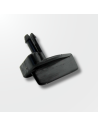
A wheel cover is the piece —generally circular and flat or slightly concave— that covers the centre of the rim, hiding the hub and axle fastening elements. In real cars, its function is to protect the wheel fastening mechanism and provide a clean appearance to the assembly. In modelling and slot racing, it reproduces exactly that appearance at scale.
In terms of realism, a car without wheel covers —or with ones that do not correspond to the model— immediately loses visual credibility. Diecast collectors, model builders, and slot preparers share this sensitivity: the detail of the wheel cover is visible from the first few centimetres away and is one of the first elements evaluated by someone experienced in the hobby.
Beyond the visual aspect, in slot racing, wheel covers are part of the wheel assembly and therefore influence the model's dynamics on the track. A poorly fitted wheel cover can cause friction, vibration, or imbalance in the axle. In competition, this is not trivial: preparers check these types of details with the same attention they dedicate to braids or guides.
In static models and dioramas, wheel covers are the finishing touch to careful work on the wheels: they are painted, weathered using techniques —using paints like Vallejo, Tamiya, or Ammo—, installed precisely, and contribute decisively to the realism of the assembly.
How to choose wheel covers correctly
Before buying wheel covers, it is important to clarify several factors. Not all wheel covers are suitable for all projects, and choosing poorly can mean having to repeat the process or, worse, damaging a rim or ruining the finish of a wheel.
Scale
This is the first filter. A wheel cover designed for 1/32 will not work on a 1/24 model or a 1/18 diecast. The scale determines the diameter, thickness, and proportions of the detail. Always check that the scale of the wheel cover matches that of the vehicle in which you are going to install it.
Compatibility with the rim
In slot racing, wheel covers are manufactured to fit specific rims. Brands like NSR, Slot.it, Avant Slot, or Scaleauto have their own rim designs, and they are not always interchangeable. Check the manufacturer's specifications before combining wheel covers from one brand with rims from another.
Material
Wheel covers for slot racing are usually made of high-precision plastic or resin. Injected plastic ones offer good resistance and a clean fit; resin ones allow for greater detail and are common in high-end preparations. In models, standard plastic parts included in the kit or aftermarket resin for greater fidelity are used.
Design and historical reference
The wheel cover must correspond to the model of car you are reproducing. A 1960s GT will have very different wheel covers than a 1990s Le Mans prototype or a Formula 1 single-seater. Research the historical reference or consult photographs of the real model to get the correct design.
Finish and painting
Many wheel covers are delivered in neutral colour (grey, white, or black) for the modeller to paint as they wish. Others come with a chrome finish or in a definitive colour. If you are going to paint them, ensure that the material accepts the paints you usually use —acrylics from Vallejo or Tamiya, for example— and apply primer when necessary.
Types and main differences
There is not just one type of wheel cover. The variety is wide and responds to both the scale and use as well as the historical period of the represented vehicle.
Competition slot wheel covers
These are designed to fit precisely on rims from brands like NSR, Slot.it, Avant Slot, or Scaleauto. They are usually lightweight, made of plastic or resin, and their design replicates that of the real car in 1/32 or 1/24 scale. In competition, weight and balance matter, so materials that do not add unnecessary mass are preferred.
Static model wheel covers
These are part of the kit or are acquired as aftermarket pieces. They can be made of standard plastic or high-fidelity resin. In this context, they are worked with more freedom: they are sanded, primed, painted with airbrush or brush, and weathered to achieve the desired realism.
Diecast and collectible wheel covers
In collectible diecast vehicles, wheel covers usually come pre-installed from the factory. However, collectors or restorers sometimes need to replace damaged pieces or improve the detail of more basic models. In these cases, they look for wheel covers in 1/18, 1/43, or 1/64 scale that maintain fidelity to the original model.
Decorative or custom style wheel covers
Some enthusiasts opt for wheel covers that do not replicate a real vehicle but provide a personal touch: geometric designs, with logos, in bright colours. They are common in customization projects or in display cars where historical realism is not the main objective.
Technical aspects we should know
To get the most out of wheel covers, especially in slot racing, it is advisable to understand some technical aspects that go beyond appearance.
Fit and tolerances
A wheel cover that does not fit precisely on the rim can come off during the race, cause vibrations, or alter the balance of the wheel. Tolerances in slot racing are very small —we are talking about 1/32 scale— and a loose fit is as problematic as one that is too tight, which can deform the rim.
Influence on the weight of the wheel assembly
Although the weight of a wheel cover is minimal, in competition preparations, every gram is taken into account. The most meticulous preparers weigh the rim-tyre-wheel cover assembly before installing it and seek symmetry among the four wheels to avoid imbalances.
Compatibility with track systems
Wheel covers themselves do not directly affect the track system (universal lane or sport lane), but the assembly they are part of —rim and tyre— can. When installing or changing wheel covers, take the opportunity to check the condition of the tyres and their compatibility with the track where you race.
Resistance to heat and friction
On the track, wheels generate heat due to friction. Low-quality materials can deform or lose their fit with continued use. Opt for wheel covers from reputable brands that guarantee dimensional stability even after long running sessions.
Practical tips for use, maintenance, and preparation
Whether you use wheel covers in slot racing, models, or diecast, there are a series of good practices that make a difference in the final result.
- Clean the rim before installing the wheel cover. Any residue of grease, dust, or adhesive can prevent a proper fit and generate vibrations on the track or visual imperfections in the model.
- Use appropriate tools. To install wheel covers in slot racing, a plastic pusher or a specific mounting tool prevents damage to both the wheel cover and the rim. Never use pliers directly on the piece.
- If you are going to paint them, prime first. Acrylic paints from Vallejo or Tamiya adhere better to a layer of primer. On small pieces, the airbrush gives more uniform results than the brush, although a good fine brush works perfectly for details.
- In dioramas, apply weathering consistently with the rest of the vehicle. Wheel covers accumulate dirt, brake dust, and rust differently depending on the wheel's position and the type of terrain. Use real photographic references to guide the process.
- Check the fit periodically on competition cars. With use, wheel covers can loosen slightly. A check before each important session avoids surprises on the track.
- Store spare wheel covers in a labelled organizer. They are small pieces that are easily lost. Classifying them by scale, brand, and reference saves time and frustration.
Common mistakes to avoid
The accumulated experience in the hobby allows identifying the most common mistakes when working with wheel covers. Avoiding them from the start saves time and money.
Buying without verifying the scale
This is the most common mistake, especially among those starting in the hobby. A wheel cover of incorrect scale will not fit or will look disproportionate, and there is no solution other than replacing it. Always confirm the scale before adding to the cart.
Ignoring compatibility with the rim
Not all wheel covers fit all rims, even if they are of the same scale. Each manufacturer —NSR, Slot.it, Avant Slot, Scaleauto— designs their rims with their own measurements. Mixing pieces without verifying compatibility can result in a poor fit.
Forcing the fit
If a wheel cover does not fit easily, forcing it can deform the rim or break the wheel cover. If the fit is excessively tight, check that you have the correct piece before applying more pressure.
Painting without priming
Paint applied directly to plastic without prior priming chips off over time or even with handling. This step is essential, especially on pieces that will receive wear or weathering techniques.
Neglecting the balance between the four wheels
In competition slot racing, mounting wheel covers on only some wheels —or of different weights— can create imbalances that affect cornering behaviour. Ideally, work on the assembly of all four wheels uniformly.
Not checking the condition before a race
A loose wheel cover can come off during a race, cause a breakdown, or even damage other components. A pre-session check is a simple habit that avoids unnecessary problems.
Recommendations for beginners and advanced users
If you are starting
Start with plastic wheel covers from well-known brands like NSR or Slot.it, which offer good fit and are specifically designed for their rims. Do not complicate yourself with high-end resin pieces until you are comfortable with assembly and understand which rim each car uses.
In models, work first with the pieces included in the kit before looking for aftermarket. Learn to prime and paint on standard plastic parts: the technique is the same that you will need later with more detailed pieces.
Ask for advice before buying if you are unsure about compatibility. At Ministry of Hobby, we know the catalogue in depth and can guide you so you do not make beginner mistakes that frustrate your project.
If you have experience
Explore high-fidelity resin options for exhibition or high-level competition projects. Consider the total weight of the wheel assembly and seek balance between aesthetics and performance. In competition, homogeneity among the four wheels —same rim, same tyre, same wheel cover— is a factor that the best preparers do not overlook.
In advanced models and dioramas, combine different painting and weathering techniques on the wheel covers to achieve finishes that imitate real wear: brake dust, track dirt, early oxidation. Paints like Ammo or Vallejo offer a range of pigments and special effects that elevate the level of any wheel.
| Use |
Common Scale |
Recommended Material |
Reference Brands |
Main Priority |
| Slot Competition |
1/32, 1/24 |
Precision Plastic / Resin |
NSR, Slot.it, Avant Slot, Scaleauto |
Exact fit and controlled weight |
| Static Model |
1/24, 1/32, 1/43 |
Kit Plastic / Aftermarket Resin |
According to kit manufacturer |
Fidelity to the real model and paint finish |
| Diecast Collection |
1/18, 1/43, 1/64 |
Metal / Plastic |
According to diecast manufacturer |
Exact compatibility with the model |
| Diorama / Exhibition |
Variable |
Resin / Painted Plastic |
Specialized Aftermarket |
Visual detail and coherence with the scene |
Frequently Asked Questions about Wheel Covers
Do all wheel covers fit any rim from the same manufacturer?
Not necessarily. Within the same manufacturer, there may be different diameters and rim designs. Always check the specific reference of the wheel cover and the rim before purchasing to ensure they are compatible.
Can I use NSR wheel covers on Slot.it rims?
Generally no, unless the measurements match exactly. Each brand designs its rims with its own tolerances, and the wheel covers are conceived to fit them. Mixing brands without verification can result in a poor fit or the inability to mount the piece.
Do wheel covers affect performance on the track?
Directly, their impact is minimal. However, a poorly fitted wheel cover can generate vibrations or imbalances in the axle that do affect the car's behaviour, especially in corners. In competition preparations, their contribution to the total weight of the wheel assembly is also valued.
What scale do I need for a standard slot car?
Most domestic and competition slot cars are in 1/32 scale. Some larger models, aimed at advanced competition or collection, are in 1/24. Always check the scale of your car before selecting the wheel covers.
Can I paint plastic wheel covers directly?
It is possible, but not recommended without prior priming. Without it, the paint has poorer adhesion and can chip off easily. Apply a thin layer of primer and allow it to dry well before painting with acrylics from Vallejo, Tamiya, or another brand of your preference.
Are resin wheel covers better than plastic ones?
It depends on the use. Resin allows for a higher level of detail and is common in high-end aftermarket pieces for models or exhibition cars. For intensive slot use on the track, precision plastic offers good performance and greater impact resistance. The choice depends on the project and the level of demand.
How do I prevent wheel covers from coming loose during a race?
Ensure that the fit is correct and there is no play. If the wheel cover tends to loosen, some preparers apply a minimal amount of temporary adhesive that allows for disassembly without damaging the rim. Check the fit before each important session.
Is it necessary to install wheel covers on all slot cars?
It is not mandatory, but it is highly recommended if you seek realism and a polished presentation. In competition, their installation is common and part of the standard preparation of the car.
What tools do I need to install wheel covers in slot racing?
Usually, a plastic pusher or a specific mounting tool for slot rims is sufficient. Avoid using pliers or metal tools directly on the piece, as they can deform it or damage the finish.
Are wheel covers for models always included in the kit?
In most scale model kits, the wheels include their own wheel covers as separate parts. However, if you seek greater fidelity or want to improve the detail of a basic kit, there are aftermarket resin pieces that replicate the original wheel cover of the vehicle more accurately.
How do I apply weathering to wheel covers in a diorama?
First, paint the wheel cover in its base colour and prime it correctly. Then apply washes with dark tones for shadows and engraved details, and use powder pigments —from brands like Vallejo or Ammo— to simulate dust, dirt, and rust. Adapt the level of wear to the context of the scene: a rally car will have much more mud and dust than a display GT in the paddock.
Where can I find 1/43 or 1/64 scale wheel covers for diecast?
These are harder to find than those in 1/32 or 1/24 scale due to their small size. At Ministry of Hobby, we work with specific references for different scales; if you do not find what you need in the visible catalogue, please consult us directly.