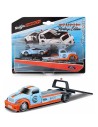
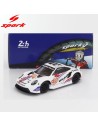
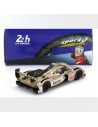
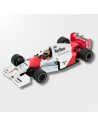
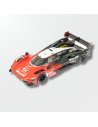
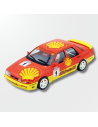
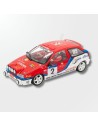
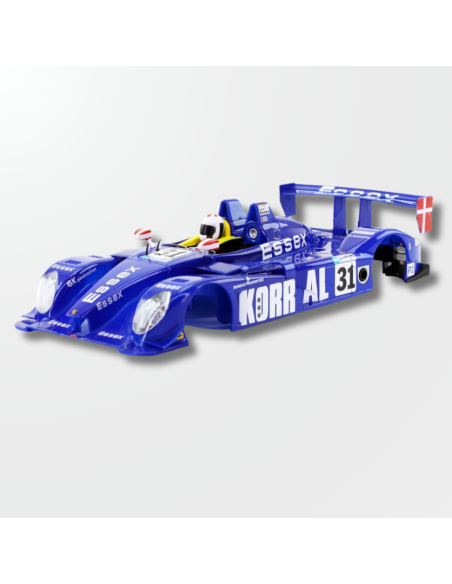
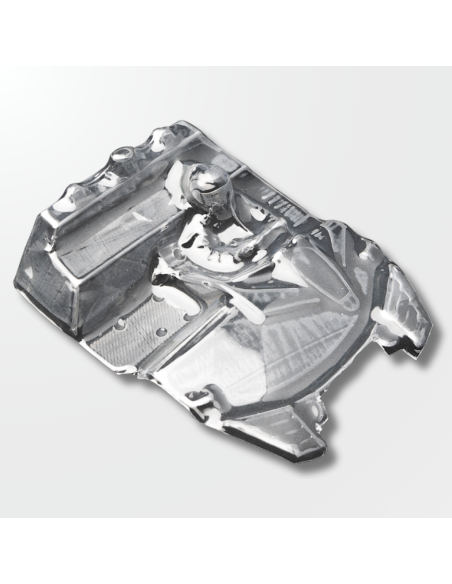
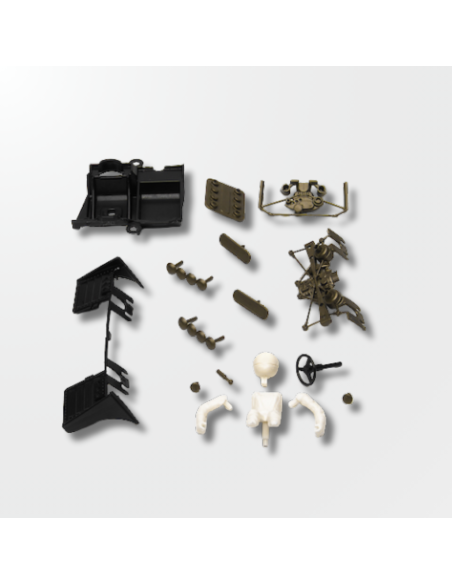
The body of a slot car is much more than its visible face. It defines the personality of the model, directly influences its dynamic behaviour, and in many cases, makes the difference between a car that simply rolls and one that truly competes. Choosing wisely is not just an aesthetic issue: it is a technical decision that affects the centre of gravity, weight distribution, aerodynamic resistance, and the car's ability to stay glued to the track in every corner.
In our section, you will find bodies for the main scales and systems: from high-fidelity reproductions for collecting or static modelling to ultra-light parts designed for the most demanding competition. Whether you are looking for a decorated body ready to hit the track or prefer a white kit to paint and customise to your liking, here you have real and proven options.
The catalogue includes prototypes from Le Mans, GT, Formula single-seaters, rally saloons, and raid cars, among other categories. Brands like NSR, Slot.it, Avant Slot, and Scaleauto offer top-level references, with different levels of detail, weight, and compatibility with their own chassis or those of third parties. Knowing the differences between them is essential to avoid making purchasing mistakes that can later cost time and money.
In the following sections, we explain everything you need to know to choose wisely: what technical factors really matter, what types exist, how the material affects performance, and what mistakes are most commonly made by both beginners and those who have been in the hobby for years.
What is a slot body and why does it matter so much
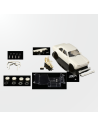
The body is the outer shell of the slot car. It covers the chassis, motor, and mechanical components, and its design replicates —with greater or lesser fidelity— the real vehicle it represents. But its function goes far beyond aesthetics.
In terms of dynamics, the body influences the centre of gravity of the whole. A model with a lighter body places the weight lower (especially if the chassis and motor are the heaviest elements), which favours stability in corners. Conversely, a heavy or poorly balanced body can raise the centre of gravity and cause rollovers or derailments on fast tracks.
Another relevant factor is aerodynamics. Although the aerodynamic effect at slot scale is limited compared to real motorsport, the design of the nose, the height of the profile, and the presence of elements like front and rear wings do have an impact, especially on high-speed tracks with long straights.
Finally, the body also determines compatibility with the chassis. Not all bodies fit all chassis, and while there are universal mounting solutions, it is common for each manufacturer to design their parts to work together. Before purchasing, it is always advisable to verify this compatibility.
How to correctly choose your body
The choice depends on several factors that should be clear from the beginning:
- Intended use: Is it for club competition, for collection, or for static modelling? The level of technical demand varies greatly between these three scenarios.
- Scale: 1/32 bodies are the most common in the slot hobby and competition. 1/24 bodies are designed for larger tracks and have a different user profile. Ensure that the scale of the model matches that of your chassis and track.
- Track system: Although the body does not always determine the track system, it is usually linked to a specific chassis that is compatible with universal track (Scalextric, Ninco) or sport track (Scaleauto, Slot.it). Gather information before combining systems.
- Type of body: decorated, white kit, or competition. Each has different implications in terms of price, preparation time, and final result.
- Material: Injected plastic is the most common; resin offers greater detail but requires more care in assembly. We explain the differences further down.
- Compatibility with the chassis: Always check the product specifications. Many bodies include indications of the chassis for which they are designed.
If you have doubts, also pay attention to the indicated weight. In competition, regulations often set a minimum total weight for the car, and the body is one of the elements where it is easiest to adjust that margin.
Main types and differences
Decorated bodies
These come painted and with factory decoration applied. They are ready to be mounted directly onto the chassis. They are the most practical option for those who want to put the car on the track without going through the paint shop. The fidelity of the decoration varies by manufacturer: brands like NSR or Avant Slot pay great attention to finish, with well-defined colours, well-applied decals, and cockpit details.
White kits
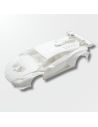
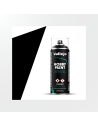
The body is delivered unpainted, in the colour of the original plastic (generally white or light grey). It is the favourite option for modelling and painting enthusiasts, as it allows for complete design customisation. It requires priming, painting (acrylic or spray, from brands like Vallejo, Kaleido, or Tamiya), and the finish that each person prefers. The result can be spectacular if worked on carefully.
Competition bodies
Manufactured from high-rigidity plastic or specially lightweight materials, they are optimised to reduce weight and improve aerodynamics. Many are made with thinner walls and are sold without decoration so that the driver or preparer can adjust them according to the regulations of their championship. They are the most common type in federated competition categories or in clubs with technical regulations.
Resin bodies
Resin allows for a more faithful reproduction of the lines and details of real vehicles. Avant Slot is one of the few brands that produces resin bodies industrially within the slot world, with a level of detail far superior to that of conventional injected plastic. They are more delicate to handle, require specific sanding and surface preparation before painting, and their price is usually higher. Highly valued in high-end collecting and modelling.
Specific spare parts: wings, cockpits, and accessories
In addition to the complete body, the catalogue includes loose parts such as front and rear wings, cockpits, mirrors, or wheel protectors. They are useful for repairing a damaged model, customising aesthetics, or adjusting weight in specific areas of the car.
Technical aspects we need to know
Weight and distribution
In slot, grams are tenths. A lighter body allows for the redistribution of ballast where it is most needed: over the rear axle, over the guide, or over the chassis. Competition bodies usually weigh between 8 and 15 grams; decorated bodies can easily exceed 20 grams.
Centre of gravity
The lower the body sits on the chassis, the better. A low centre of gravity improves lateral stability and reduces the tendency to roll in tight corners. Some bodies allow for height adjustment by modifying the anchoring points or using spacers.
Stiffness and flex
A body that is too rigid can transmit vibrations to the whole and hinder the absorption of track irregularities. An excessively flexible body can deform with the heat from the motor and rub against the wheels. The balance between stiffness and lightness is key, and each manufacturer resolves it differently.
Compatibility with the mounting system
The anchoring points (posts, clips, or screws) vary by manufacturer. Before purchasing a third-party body to mount on an existing chassis, check that the anchors are compatible or that there is an available adapter.
Practical tips for use, maintenance, and preparation
- Clean the body regularly. Dust and dirt from the track accumulate inside, especially around the wheels. Periodic cleaning with a dry cloth or a soft brush prevents rubbing issues.
- Check the clearance between the body and wheels. If there is contact between the body and tyres, the car will lose grip and may overheat. Adjust the mounting height if necessary.
- Always prime before painting a white kit. Untreated plastic does not hold acrylic paint well. A layer of primer (compatible with plastic) ensures proper adhesion and prevents chipping.
- Protect decorated bodies with varnish. A final varnish (matte, satin, or glossy depending on the desired finish) protects the decoration from wear and prolongs its lifespan.
- Store bodies out of direct light. Plastics without UV protection become brittle and yellow over time. A closed box or display case is the best option for preservation.
- In competition, weigh the complete car before each race. If the regulations set a minimum weight, the body is one of the elements where it is easiest to add or remove ballast without affecting the mechanics.
Common mistakes we should avoid
Buying for aesthetics without checking compatibility
This is the most common mistake. A body may look perfect, but if its anchors do not fit the chassis or its weight does not comply with the category regulations, it is useless. Always: first compatibility, then aesthetics.
Ignoring the total weight of the whole
Buying an ultra-light body only to have to add ballast in less than optimal areas can counteract any advantage. Plan the total weight of the car from the beginning and choose the body based on that margin.
Painting over plastic without priming
Paint applied directly to virgin plastic tends to chip, especially at the edges and in areas of greatest wear. Never skip the priming.
Mixing systems without informing oneself
Mounting a body designed for a sport track chassis (Scaleauto, Slot.it) onto a universal track chassis (Scalextric, Ninco) —or vice versa— can create problems with anchoring, height, or wheel clearance. Always gather information before crossing systems.
Over-tightening the body anchors
The posts or clips are made of plastic. Over-tightening when mounting or dismounting the body can break or deform them. A gentle and even pressure is sufficient.
Disregarding internal rubbing
If the body rubs against the motor, wires, or wheels inside, the car will lose performance and may generate unnecessary heat. Before permanently attaching the body, always perform a functional test with the assembled set.
Recommendations for beginners and advanced users
If you are starting
Opt for a decorated body from a well-established brand like NSR or Slot.it, which is already ready to mount on the corresponding chassis. Avoid white kits until you have some practice with painting, and do not complicate yourself with resin bodies in the early stages. Choose a model that you like visually: motivation is important when learning.
If your intention is also to enjoy modelling, a white kit from Avant Slot is an excellent entry point: the level of detail is high and the experience of painting your own car has an added value that is hard to match with a standard body.
If you already have experience
At this level, the choice of body becomes part of the technical preparation of the car. Consider the weight, stiffness, anchoring points, and how it affects behaviour on the type of track you compete on. Competition bodies from NSR or Scaleauto offer real adjustment margins for drivers who know their car well.
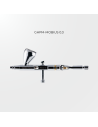
For those who combine slot with high-level modelling, Avant Slot's resin bodies open up a world of customisation: from sanding and surface preparation to using an airbrush with Vallejo or Kaleido paints to achieve exhibition finishes.
| Type of body |
Material |
Level of preparation |
Main use |
User profile |
| Factory decorated |
Injected plastic |
None |
Track, collection |
All levels |
| White kit |
Injected plastic |
Medium (painting) |
Modelling, customisation |
Intermediate / advanced |
| Competition |
Light / rigid plastic |
Low-medium |
Championships, clubs |
Regular competitor |
| Resin |
Cast resin |
High (sanding, priming, airbrush) |
Collection, high-level modelling |
Advanced / expert |
Frequently asked questions
Are all bodies compatible with any chassis?
No. Each manufacturer designs its bodies to fit with its own chassis or a specific family of them. Always check the compatibility indicated in the product specifications before purchasing or consult us.
What is the difference between a plastic body and a resin body?
Injected plastic is lighter, more impact-resistant, and easier to work with. Resin allows for much finer detail reproduction but is more fragile and requires more careful surface preparation before painting. Resin is the usual option in high-level collecting and modelling.
Can I paint a decorated body to change its livery?
Yes, but it requires sanding the original finish, applying primer, and then painting. The result depends heavily on the prior preparation. If you are looking for total customisation, it is more practical to start with a white kit.
How do I know what scale I need?
It depends on your track and chassis. The 1/32 scale is the most widespread in the slot hobby and competition. The 1/24 scale requires wider tracks and larger cars. Always check that the scale of the body matches that of your mechanical set.
Does the body affect the car's grip?
Indirectly, yes. If the body rubs against the tyres or raises the centre of gravity too much, the car loses stability and grip in corners. A good assembly, with the correct clearances, is essential.
What paint should I use on a white kit?
Acrylic paints from brands like Vallejo, Kaleido, or Tamiya are the most common in slot modelling. Always apply a layer of primer compatible with plastic before adding colour, and finish with a protective varnish.
Can competition bodies be used on amateur tracks?
Of course. They are simply lighter and less visually elaborate. If you are looking for pure performance and do not care about the standard aesthetics, they are also a perfectly valid option outside of federated competition.
How does the rear wing influence the car's behaviour?
At the slot scale, the real aerodynamic effect is limited, but the rear wing does affect weight and its distribution. Some competition wings are designed to slightly load the rear axle, improving traction during acceleration.
Can I mount an NSR body on a Slot.it chassis?
It depends on the specific model. Some preparers do it with adaptations, but it is not a standard combination. Always consult the product specifications or ask us before making the purchase.
How often should I check the condition of the body?
After each competition session, it is advisable to check for internal rubbing, damaged clips, or small deformations. For casual use, a monthly check is usually sufficient.
What should I do if the body breaks at an anchoring point?
Some manufacturers sell the anchoring posts or clips as independent spare parts. If the damage is greater, there are specific glues for plastic that allow for solid repairs without deforming the piece. Avoid excessive cyanoacrylate glue: it can crystallise and make the area brittle.
Is a high or low body better?
For competition, generally, the lower the body sits on the chassis (without rubbing against the wheels or the ground), the better. A low profile reduces the centre of gravity and improves stability. For collection or static modelling, fidelity to the real vehicle is the determining factor.