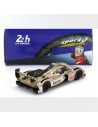
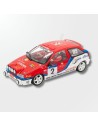
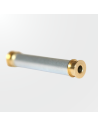
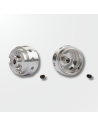
The 1/32 scale is undoubtedly the most popular in the slot racing world. Millions of enthusiasts worldwide compete, collect, and enjoy cars of this size, and this has a direct consequence: the demand for specific, precise, and quality spare parts is constant. It doesn't matter if you have a pure competition car like an NSR or a Slot.it, or if you maintain a more accessible model from Scalextric or Ninco in perfect condition. At some point, you will need to replace a worn tyre, adjust the guide, change a pinion, or simply check the braids. Here you will find all that and much more.
Preparing a 1/32 slot car is not just about changing broken parts: it is understanding how each component works, how it interacts with the rest, and what margin for improvement it offers. A well-calibrated axle reduces friction and improves top speed. Suitable tyres make the difference between a car that slides in corners and one that sticks to the racing line. A well-chosen motor can completely transform track performance. In this category, we group all those components with the insight of someone who has been preparing cars for years and knows firsthand what works in competition and what does not.
Whether you are looking for an original spare part to return your car to factory condition or you want to fine-tune a competition model to the limit, here you have the most carefully curated selection of 1/32 spare parts, with brands like NSR, Slot.it, Avant Slot, and Scaleauto, undisputed leaders in the sector.
What are 1/32 spare parts and why are they so important
A 1/32 slot car is a miniature machine that, no matter how small, has the same basic systems as a real vehicle: motor, transmission, chassis, suspension (in some models), and contact with the track. Each of these systems can degrade, break, or simply be optimized. 1/32 spare parts are the pieces that allow these systems to function and, in many cases, improve their performance beyond what the standard car offers.
The importance of spare parts goes beyond occasional maintenance. In the context of competition, car preparation is part of the game. Choosing the right tyre for the type of track, the correct pinion and crown gear for optimal gear ratio, or the motor that best fits your championship regulations are technical decisions that directly influence results.
Even outside of competition, having a good stock of basic spare parts —replacement guides, braids, tyres— prevents a fun session from being cut short by a easily solvable breakdown. The enthusiast who knows their car and has the right parts on hand enjoys it much more.
How to correctly choose 1/32 spare parts
The first step is always to correctly identify the car for which you need the spare part. In 1/32 scale, different chassis and track systems coexist, and not all parts are interchangeable. It is necessary to distinguish between two major rail systems: the universal rail, used by brands like Scalextric and Ninco, and the sport rail, employed by Scaleauto and Slot.it. This difference mainly affects the rail width and, consequently, the guide width and certain chassis measurements.
Beyond the track system, spare parts are chosen based on:
- Brand and model compatibility: many components —such as NSR or Slot.it competition chassis— are designed for specific models. Always check the reference before purchasing.
- Type of use: preparing a car for home use and occasional enjoyment is not the same as for federated competition. The level of material and precision requirements is different.
- Championship regulations: if you compete in a club or organized championship, check which components are allowed. Some championships limit modifications to the motor, tyres, or certain chassis elements.
- Skill level: some spare parts require fine-tuning and experience to install correctly. If you are just starting, opt for direct-fit parts before venturing into more technical adjustments.
A common mistake is buying generic spare parts without verifying the exact measurements. In slot racing, a few tenths of a millimetre in the diameter of an axle or the pitch of a pinion can mean that the part does not fit or that the car does not function correctly. It is always better to take an extra minute to confirm the reference.
Main types and differences of 1/32 spare parts
The catalogue of spare parts for 1/32 slot cars is extensive and covers very different systems. These are the main groups:
Motors
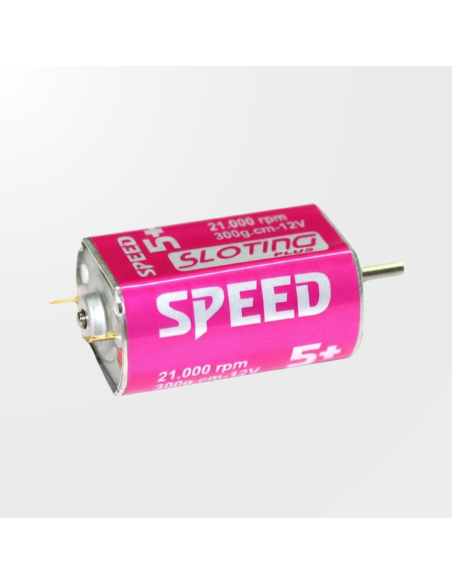
The motor is the heart of the car. In 1/32, there are motors with different mounting configurations: sidewinder (motor parallel to the rear axle, transverse), inline (motor in line with the rear axle, longitudinal, which lowers the centre of gravity), and anglewinder (motor at an angle to the rear axle). Each configuration affects the car's behaviour and which pinions and crowns are compatible. Brands like NSR or Slot.it offer high-precision motors for each of these configurations.
Transmission: pinions and crowns
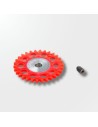
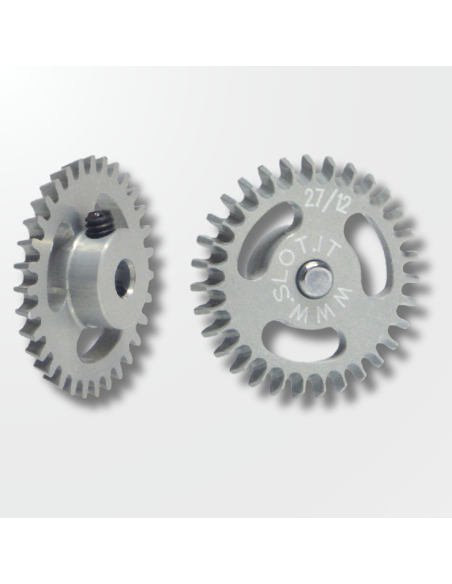
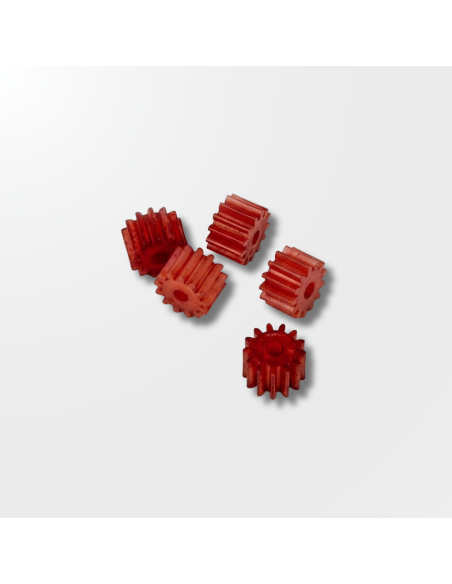
The gear ratio —the combination of the number of teeth on the pinion and the crown gear— determines the car's acceleration and top speed. A longer ratio provides more maximum speed but less response at the start. A shorter ratio offers quicker acceleration but limits top speed. Adjusting this parameter is one of the first and most effective ways to adapt the car to each circuit.
Tyres and wheels
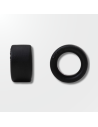
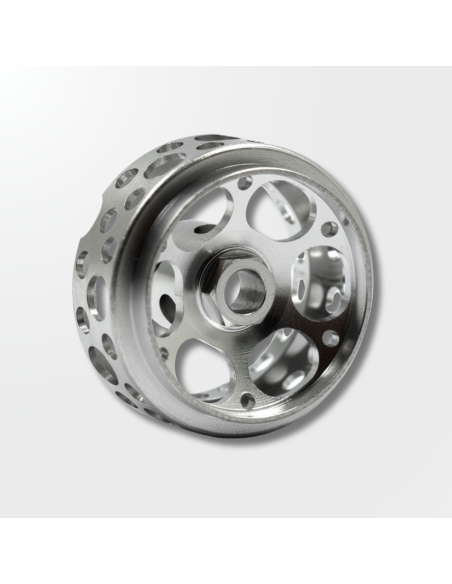
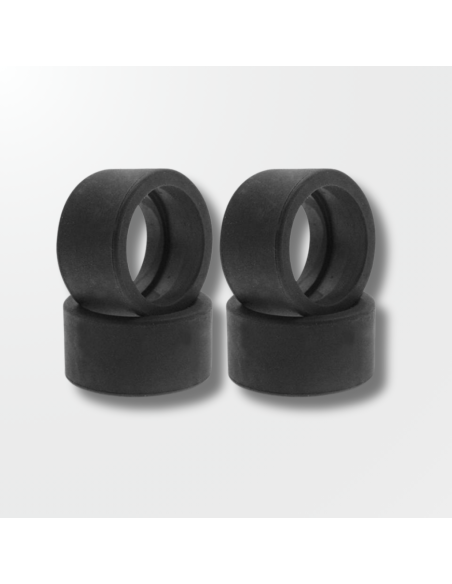
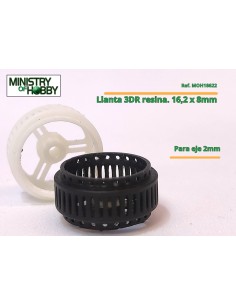
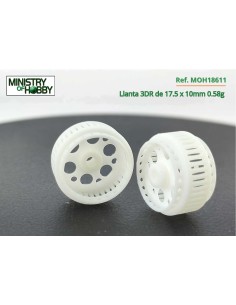
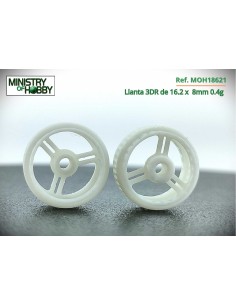
The tyre is the only point of contact between the car and the track, and its influence on grip is fundamental. There are polyurethane, silicone, and rubber tyres, each with different characteristics of adhesion, hardness, and durability. The wheels determine the overall diameter and track width. Adjusting the tyre diameter also affects the effective gear ratio.
Axles and bearings
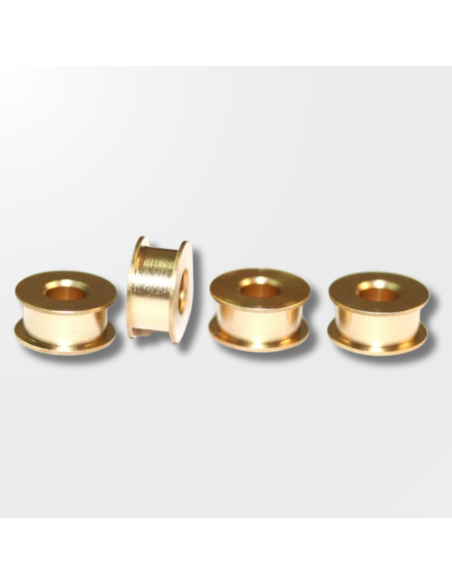
A well-calibrated axle and low-friction bearings reduce mechanical losses and improve the efficiency of the transmission system. In competition, the difference between a standard axle and a high-precision one is noticeable in lap consistency.
Guides and braids
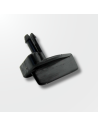
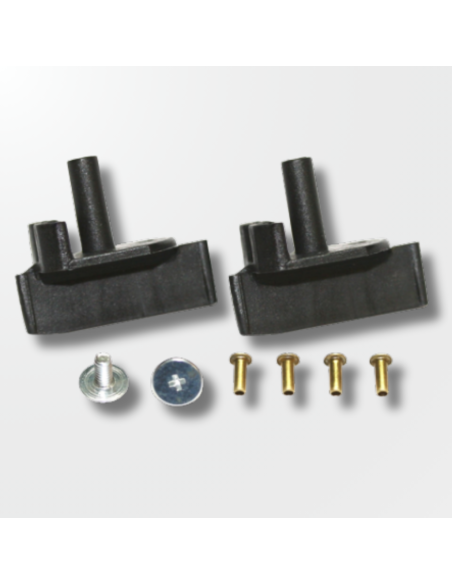
The guide is the piece that fits into the track rail and transmits electrical current to the motor through the braids. There are guides of different lengths and angles to adapt to different types of chassis and track systems. Braids wear out with use and are among the most common spare parts.
Chassis
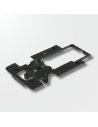
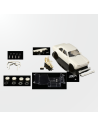
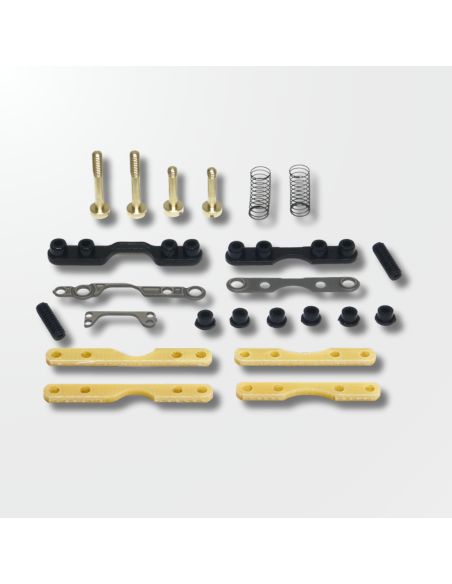
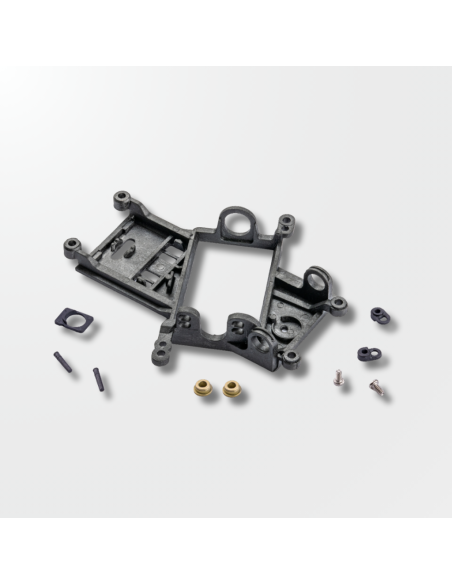
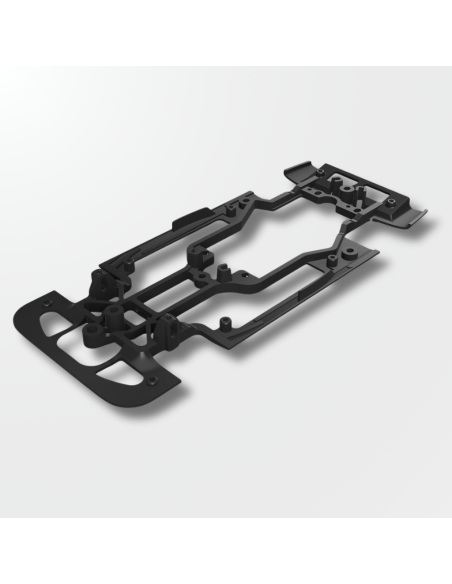
There are plastic, metal, and 3D printed chassis. Competition chassis, such as those from NSR or Slot.it, are designed to maximize rigidity or flexibility depending on the design and offer adjustment points for tuning. 3D chassis allow for highly customized configurations.
Body shells and aesthetic elements
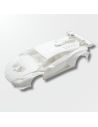
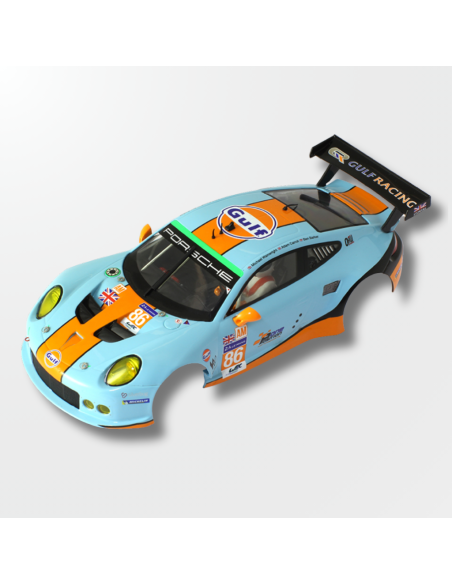
Although they belong more to the aesthetic field, elements such as mirrors, wings, or spoilers can also have aerodynamic influence in some models. Body spare parts allow you to keep the car visually in good condition or customize its appearance.
Technical aspects we should know
To get the most out of 1/32 spare parts, it is advisable to handle some basic technical concepts:
- Pinion pitch: this is the measure that defines the distance between the teeth of the gear. In 1/32, the most common pitch is 64 (also called "64dp"), although there are variations. Using a pinion and crown gear of the same pitch is essential for proper engagement.
- Axle diameter: the most common axles in 1/32 are 3 mm in diameter, but there are variations. Always check the measurement of your chassis support before purchasing.
- Tyre diameter and width: these influence the effective rolling radius and contact with the track. A tyre that is too wide may rub against the chassis; one that is too narrow loses grip.
- Braid tension: braids with the correct tension ensure permanent contact with the rail without adding unnecessary friction. Too tight braids slow the car down; too loose ones cause current interruptions.
- Weight and centre of gravity: the total weight of the car and its distribution affect cornering behaviour. Some preparers add ballast in strategic positions to improve stability.
Practical tips for use, maintenance, and preparation
Keeping a 1/32 slot car in optimal condition does not require extensive technical knowledge, but it does require some consistency and attention to detail:
- Clean the track before running: dirt and rust accumulated on the track transfer to the braids and the motor collector, degrading electrical contact. A clean track extends the life of the components.
- Regularly check the braids: they are the fastest-wearing part. A couple of intense sessions can leave them in poor condition. Always keep spares on hand.
- Lubricate judiciously: too much lubricant is as harmful as its absence. Apply lubricant only at the indicated points —bearings, gears, axles— and in very small amounts. Avoid getting it on the tyres or braids.
- Check the pinion-crown engagement: engagement with too much play generates noise and loss of efficiency; too tight creates friction. The ideal point is a smooth engagement with no perceptible play.
- Break in new tyres: new polyurethane or silicone tyres usually perform better after a few laps of running that allow them to reach working temperature and adapt their surface to the track.
- Inspect the guide after each session: guides wear out and can crack from impacts. A damaged guide affects rail tracking and can cause derailments.
Common mistakes we should avoid
There are certain mistakes that we see repeated, especially among those approaching maintenance and preparation for the first time:
- Mixing track systems without informing oneself: as explained, brands like Scalextric, Ninco, Scaleauto, or Carrera use different rail systems. Buying spare parts without considering your track system can result in incompatible pieces.
- Using excessive grease or oil: it contaminates the tyres, reduces grip, and can damage the motor if it reaches the collector.
- Ignoring manufacturing tolerances: in slot racing, precision matters. A slightly off-centre tyre or an axle with lateral play generates vibrations that reduce performance and consistency.
- Changing too many parts at once: if you change the motor, pinion, crown gear, and tyres at the same time, it will be very difficult to identify which change improved (or worsened) the car's behaviour. Modify one at a time and record the results.
- Not verifying the exact reference: in spare parts, "similar" is not enough. A 27-tooth crown and a 28-tooth one may look the same at first glance, but they completely change the gear ratio.
- Neglecting the guide as a "minor" component: it is one of the most critical components of the car. A worn or poorly adjusted guide can ruin any other improvement you have made.
Recommendations for beginners and advanced users
If you are starting
Start with basic consumables: replacement braids, a compatible replacement guide for your car, and a couple of sets of tyres. These three elements cover most common breakdowns and issues. There is no need to invest upfront in high-competition components; first, learn how your car behaves under normal conditions and what limitations it has.
If your car is from a brand aimed at home use like Scalextric, start by familiarizing yourself with its mechanics before looking for upgrades. Often, good maintenance does more than changing components.
If you have experience
At this level, the work focuses on fine-tuning: finding the optimal gear ratio for each circuit, choosing the most suitable tyre for the type of surface of your track, adjusting braid tension, and exploring which chassis configuration (rigidity, weight distribution, centre of gravity height) yields the best results in competition conditions.
Brands like NSR, Slot.it, Avant Slot, and Scaleauto offer very complete catalogues of spare parts and upgrades, with components designed to fine-tune every parameter of the car. If you compete in championships, familiarize yourself with the technical regulations of your category: it will help you prioritize which components make sense to invest in.
| Component |
Main influence |
Review frequency |
Reference brands |
| Tyres |
Grip, racing line, cornering speed |
High (every few sessions) |
NSR, Slot.it, Scaleauto |
| Braids |
Electrical contact, current stability |
High (check in each session) |
NSR, Slot.it, Avant Slot |
| Guide |
Rail tracking, current transmission |
Medium (regular inspection) |
NSR, Slot.it, Scaleauto |
| Pinion / Crown |
Gear ratio, acceleration, top speed |
Low (unless actively competing) |
NSR, Slot.it, Avant Slot |
| Motor |
Power, response, mounting type |
Low (periodic review) |
NSR, Slot.it, Scaleauto |
| Axles / Bearings |
Mechanical friction, rolling precision |
Low (check when preparing) |
NSR, Slot.it |
Frequently asked questions about 1/32 spare parts
Are spare parts from different brands compatible in 1/32 cars?
It depends on the component. Tyres and wheels have standard measurements that may be compatible between brands, but the exact diameter and width must be verified. Chassis, pinions, and crowns are usually designed for specific models. Always check compatibility before purchasing.
What is the difference between polyurethane and silicone tyres?
Polyurethane tyres offer good durability and consistent grip. Silicone tyres generally provide greater adhesion but may wear out faster depending on use. The choice depends on the type of track and driving style.
How often should I change the braids?
It depends on the intensity of use and the condition of the track. In long sessions or tracks with a lot of dirt, they may last only one or two sessions. Inspecting them before each race is a recommended habit.
What is the gear ratio and how do I calculate it?
The gear ratio is the quotient between the number of teeth on the crown and the number of teeth on the pinion. For example, a 27-tooth crown and a 9-tooth pinion give a 3:1 ratio. A higher ratio favours top speed; a lower one favours acceleration.
Can I use Slot.it spare parts on a Scalextric car?
For some components, yes, with prior verification. The rail systems are different (universal vs. sport), which mainly affects the guide. Tyres, axles, and crowns may be compatible if the measurements match, but it always needs to be checked.
What type of guide do I need for my car?
It depends on the chassis and track system. For universal rail (Scalextric, Ninco), guides are usually wider; for sport rail (Slot.it, Scaleauto), they are narrower. Verify the original reference of your car or consult with us.
Is it difficult to change the motor of a 1/32 slot car?
With the right tools and some practice, it is not particularly complicated. The important thing is to respect the mounting configuration (sidewinder, inline, or anglewinder) and ensure that the new motor is compatible with the pinion and chassis.
What lubricant should I use on the bearings and gears?
There are specific lubricants for slot racing. For bearings, a low-viscosity oil is recommended; for gears, a light grease. Always apply in minimal amounts and avoid getting it on the braids or tyres.
Are 3D chassis a good option for beginners?
3D chassis offer very interesting customization possibilities, but they require some prior knowledge to take advantage of their benefits. For a user who is just starting, it is better to first familiarize themselves with the manufacturer's original chassis.
How do I know if my motor needs to be changed?
The clearest signs are loss of power, unusual noise (grinding, irregularities), excessive sparks at the collector, or erratic behaviour on the track. Before changing it, check that the problem is not from another source: braids in poor condition, dirty engagement, or seized bearings.