
Shopping Cart
-

-
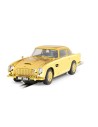 James Bond Aston Martin 'Goldfinger'€62.00 €69.00
 Mosler MT900R Salvatore Noviello 11th Anniversary EVO3€63.57 €73.57
 Formula 90-97 Blanco/Azul/Amarillo 1990 Nº6 morro bajo€76.30 €79.90
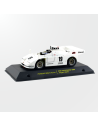 Porsche 908/3 Turbo White Edition Jürgen Barth€29.50 €36.00
 Advance Audi S1 WRC Sonax€30.00
 -
 Rodador con transformador€40.00
 Punta Hex. 0.9 mm€3.40
 -
 Circuito Open Rally Set€188.43
 Muelle para mandos€2.00











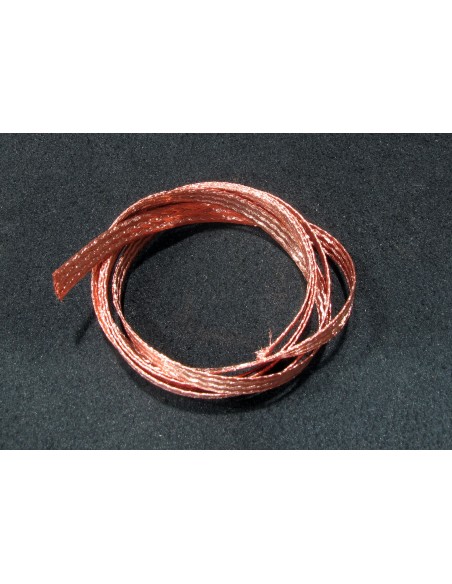
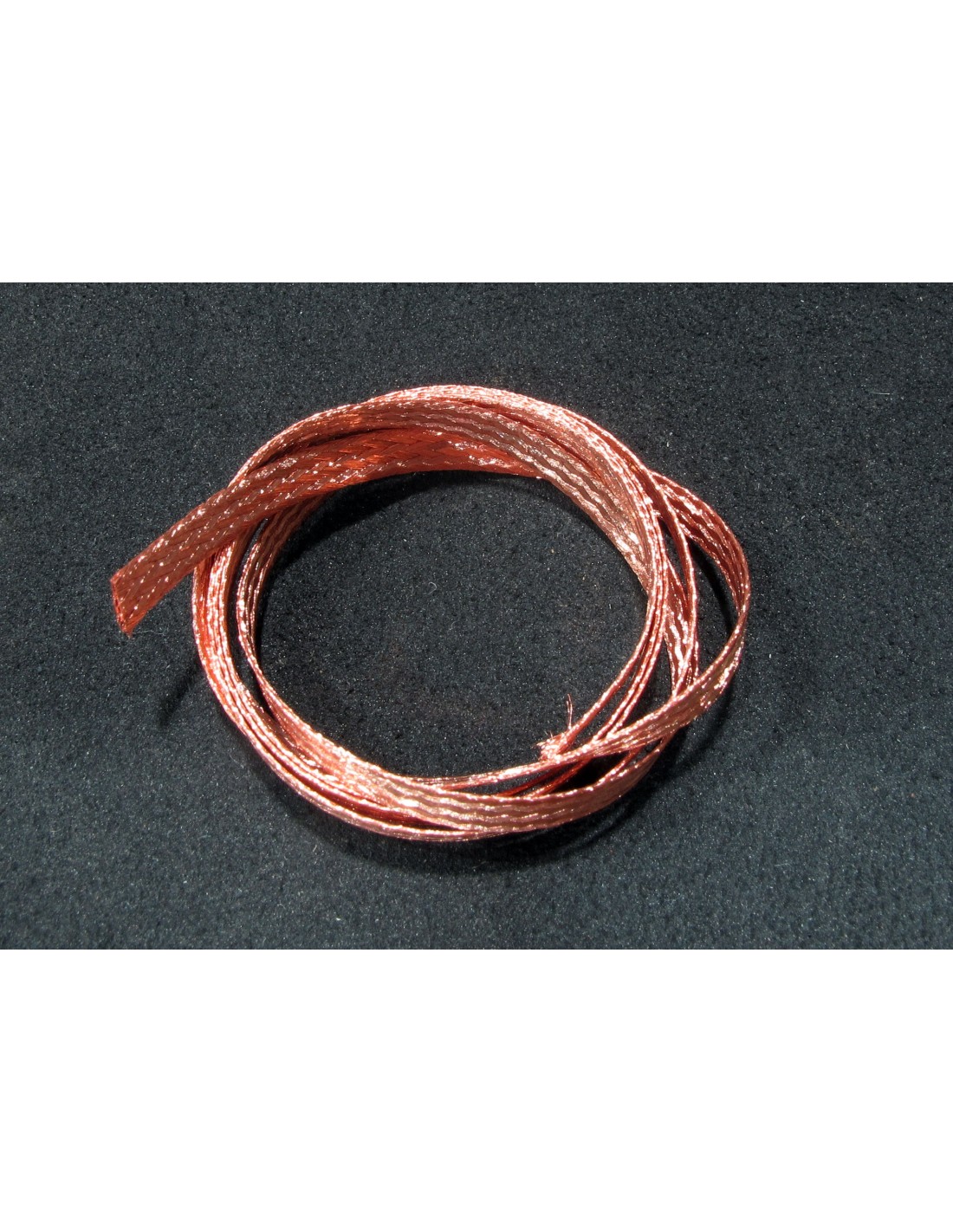
0.07mm copper braid - 1 metre

Last items in stock
€4.43
Tax included
Sideways copper braid of 0.07 mm section in a 1 metre presentation. An essential spare part to maintain maximum electrical conductivity in your 1/32 slot cars.
The Sideways SWBR07C Copper Braid: Precise Electrical Contact for Your 1/32 Slot Car
In the world of slot racing, the electrical transmission between the track and the motor is one of the most influential factors in a car's actual performance. A worn or inadequate braid can cause power losses, irregular throttle responses, and ultimately, performance below the car's potential. The copper braid Sideways SWBR07C, with a wire diameter of 0.07 mm and a length of 1 metre, is specifically designed to meet this need with the quality of components that characterises the brand.
Function and Performance
Braids serve as the electrical bridge between the guide — which collects current from the track — and the car's motor. Their function may seem simple, but the material, braiding, and wire gauge directly determine the quality of that transmission. Copper is the reference material for this component due to its excellent electrical conductivity and flexibility, allowing the braid to operate without fatigue during many hours of running.
With a wire gauge of 0.07 mm, this braid offers a balance between flexibility and current-carrying capacity, suitable for applications in 1/32 scale slot cars for both recreational use and club competition preparations.
Compatibility and Installation
The 1-metre length allows you to cut exactly the length you need for each installation, without wasting material. It is common to use braids of this type to:
- Replace worn or damaged original braids.
- Make tension and position adjustments in competition preparations.
- Experiment with different lengths and runs to optimise contact with the track.
Being a universal component in terms of format, it is compatible with the vast majority of guides used in 1/32 slot cars on the market. In any case, always check that the width and length of the braid you need fit the guide housing of your car before proceeding with the installation.
Installation and Preparation
Installing a new braid is a task accessible even for those new to slot car preparation. Some practical tips:
- Cut the necessary length with scissors or a clean cutting plier, avoiding fraying the end.
- Prepare the ends: slightly separate the strands to facilitate contact at the attachment points.
- Attach without over-tensioning: the braid should have a small free movement to avoid losing contact when the guide moves laterally on the track.
- Check the contact before closing the chassis, ensuring there are no interruptions in the electrical circuit.
Common Mistakes
One of the most common mistakes is installing the braid too short, which causes it to become taut when the guide operates and ultimately break or lose contact. Similarly, a braid that is too long can get caught in moving parts of the chassis. Take a moment to measure carefully before cutting.
Another point to check is the condition of the connection points: a cold solder joint or oxidised contact will nullify the advantages of a new braid. Clean the area well before installing the component.
Frequently Asked Questions
What does it mean that the braid has 0.07 mm?
The value of 0.07 mm refers to the diameter of each individual wire that makes up the braid. The finer the wire, the more flexible the braid as a whole, which favours continuous and uninterrupted contact during operation.
How many braids can I get from 1 metre?
It depends on the length you need for each installation. In most 1/32 slot cars, the required braid per side usually measures between 4 and 8 cm, so with 1 metre of product, you have more than enough material for several preparations or replacements.
Is it compatible with any 1/32 slot guide?
The roll format of the braid is universal in terms of material and gauge. However, the width of the guide housing may vary depending on the car manufacturer, so it is advisable to check that the braid fits correctly before making the final installation.
How often should I change the braids?
There is no fixed rule: it depends on usage, track type, and track conditions. A good practice is to check the condition of the braids after a certain number of running sessions and replace them when they show visible wear, stiffness, or loss of electrical continuity.
Do I need to solder the braids or can they be fixed in another way?
In most slot cars, the ends of the braid are soldered to the car's contacts and to the guide. This is the most reliable way to ensure a lasting connection with minimal electrical resistance. Some setups allow for mechanical attachment, but soldering is always the most recommended option for competition.
The Sideways SWBR07C is a 0.07 mm copper braid in a 1-metre length, designed as a precision replacement part for 1/32 scale slot cars. Made from high-conductivity copper strands, it ensures consistent electrical contact between the guide and the motor, making it a reliable choice for both club racing and hobby use. Compatible with most 1/32 slot car guides available on the market.
SWBR07C
2 Items
No reviews
Comments (0)
No customer reviews for the moment.
Tap to zoom
