Shopping Cart
-

-
 James Bond Aston Martin 'Goldfinger'€62.00 €69.00
 Mosler MT900R Salvatore Noviello 11th Anniversary EVO3€63.57 €73.57
 Formula 90-97 Blanco/Azul/Amarillo 1990 Nº6 morro bajo€76.30 €79.90
 Porsche 908/3 Turbo White Edition Jürgen Barth€29.50 €36.00
 Advance Audi S1 WRC Sonax€30.00
 -
 Rodador con transformador€40.00
 Punta Hex. 0.9 mm€3.40
 -
 Circuito Open Rally Set€188.43
 Muelle para mandos€2.00





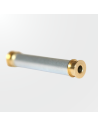








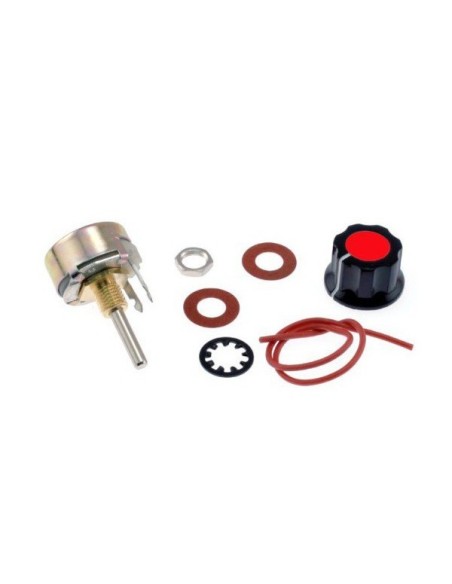
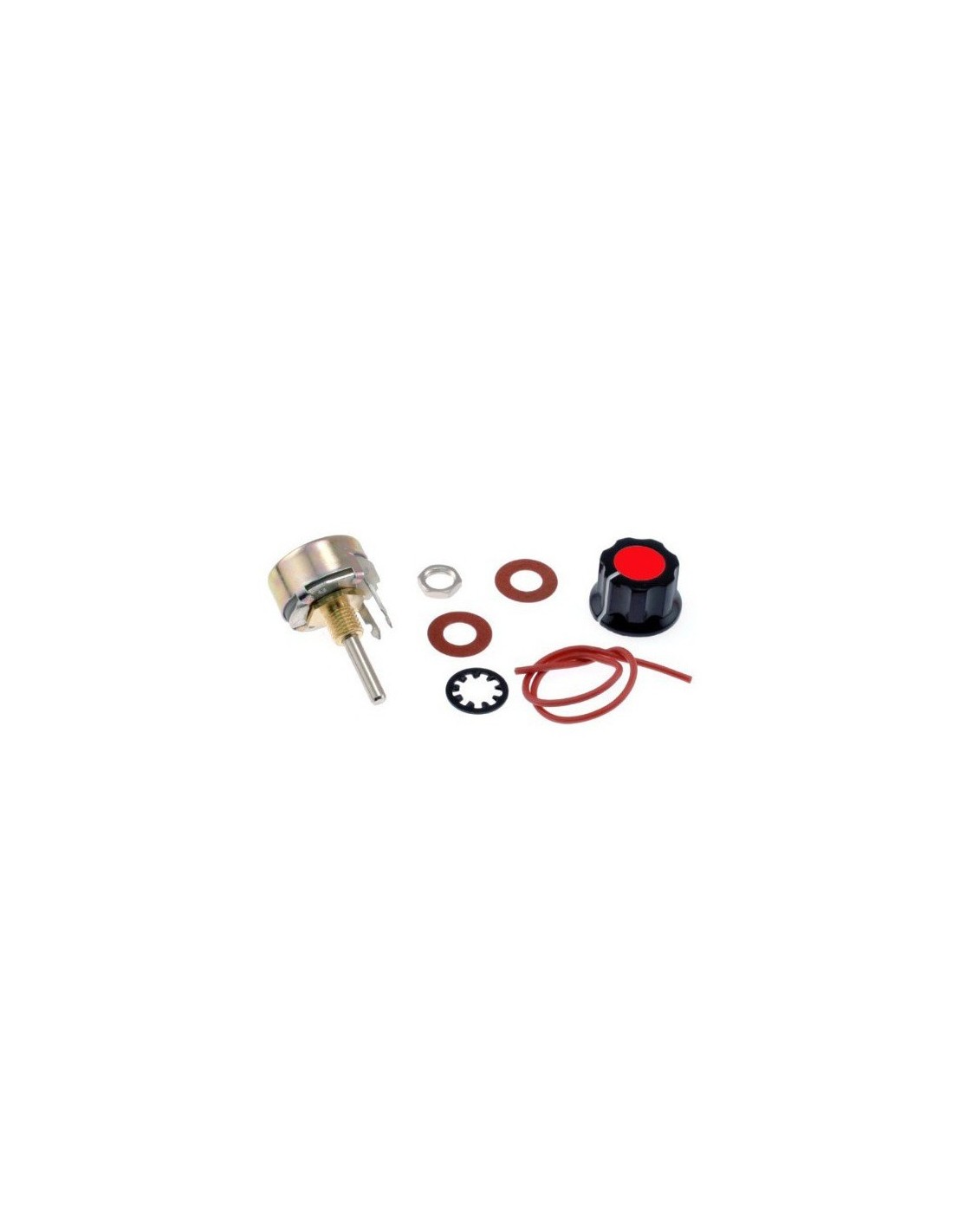
5ohm brake controller Professor Motor

Out-of-Stock
€31.68
Tax included
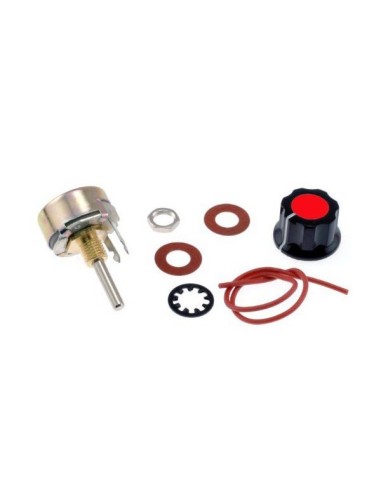
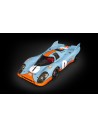
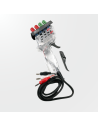
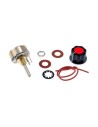
5-ohm brake regulator specifically designed for Professor Motor controllers. Direct replacement reference PM2039 to maintain precise braking adjustment and total control over the car on track.
The brake regulator that restores precision to your Professor Motor controller
The 5-ohm brake regulator PM2039 is the original replacement component for controllers from the American brand Professor Motor. If the brake on your controller has lost responsiveness, is erratic, or has completely stopped working, this regulator is the part you need to regain the original performance of the controller.
Function and performance
The brake regulator is one of the most wear-prone elements in a slot car controller, especially during long competition sessions or in clubs with intensive use. Its function is to limit and adjust the resistance to braking of the car, allowing the driver to modulate deceleration by releasing the trigger. A value of 5 ohms corresponds to the original specification of Professor Motor controllers that incorporate this component, making the replacement straightforward and without the need for additional modifications.
Compatibility
This regulator is designed as a specific replacement for Professor Motor controllers. Before placing your order, we recommend checking your controller's documentation to ensure that the reference PM2039 corresponds to your specific model, as the brand has different versions of controllers.
Installation and preparation
Replacing a brake regulator is an affordable task for any enthusiast with basic electronics knowledge. It is recommended to:
- Disconnect the controller from the track before opening the casing.
- Locate the existing brake regulator and identify its connection points.
- Carefully remove the worn component without damaging the adjacent solder joints.
- Solder the new regulator while respecting the original orientation and anchor points.
- Check the operation before closing the casing.
Common mistakes
The most common mistake is confusing the brake regulator with the speed regulator. They are distinct components, with different resistance values and separate locations within the controller. Make sure to correctly identify which of the two you need before proceeding with the replacement. Replacing the wrong component will not resolve the issue and may alter the controller's behaviour.
Frequently asked questions
How do I know if the brake regulator on my Professor Motor controller is faulty?
The most common symptoms are inconsistent braking from one session to another, excessive or no braking when releasing the trigger, or an irregular response that does not improve when adjusting the brake potentiometer. In many cases, it can also be visually detected if the component shows signs of burning or breakage.
Can I use this regulator on controllers from other brands?
Technically, a 5-ohm regulator is compatible with any circuit that requires that resistance value. However, this component is specified as a replacement for Professor Motor controllers. If you use it on another controller, first verify that the required value matches exactly.
Is soldering necessary for the replacement?
In most Professor Motor controllers, yes. The regulator is soldered to the controller board, so a soldering iron, solder, and some basic electronics practice are needed. If you do not feel confident, any enthusiast with experience in slot electronics can make the change in a few minutes.
Does the 5-ohm value affect the brake adjustment?
The resistance value of the regulator determines the available braking range. A 5-ohm regulator is calibrated to provide the adjustment range that the original design of the controller contemplates. Replacing it with a different value would alter the brake response and may not yield the expected result.
The Professor Motor PM2039 is a 5-ohm brake resistor replacement part for Professor Motor slot car controllers. Designed to restore precise braking response, this component is essential for competitive slot car racing pilots who rely on consistent and accurate deceleration control. Compatible with Professor Motor hand controllers requiring this specific brake resistor value.
PM2039
No reviews
Comments (0)
No customer reviews for the moment.
Tap to zoom