If there is a material that defines the work of a modeller, it is paint. Everything else — resin, plastic, metal — awaits the moment when the brush or airbrush comes into action to transform a piece into something alive. Acrylic paints have become the benchmark standard for those working with static models, miniatures, figures, dioramas, or slot car bodies, and it is no coincidence: they combine ease of use, quick drying, water clean-up, and a versatility of finishes that is hard to surpass.
At Ministry of Hobby, we work with these types of materials daily, and we know that choosing the right paint makes a huge difference in the final result. An acrylic formulated for brush application is not the same as one designed for airbrush; a high coverage opaque base behaves differently than a fine wash for shadows. That’s why we have gathered in this category the most complete and reliable ranges on the market: Vallejo, Tamiya, Kaleido, and Ammo, among others, each with its strengths and its place on the workbench.
Whether you are painting the body of a competition car in 1/32 scale or bringing a resin figure to life or building a diorama with layers of effects and textures, here you will find the correct reference. This guide is designed to help you understand what type of acrylic paint you need, how to use it properly, and what mistakes to avoid before they cost you time and frustration.
What are acrylic paints and why are they the standard in modelling
Acrylic paints are pigments suspended in a water-dilutable acrylic resin base. When the water evaporates, the polymers form a flexible and durable film on the surface. This seemingly simple process is what makes them so versatile: they can be applied in thin and successive layers, mix well with each other, allow precise dilution, and permit corrections before complete drying.
Compared to enamel paints or nitrocellulose lacquers, acrylics have several practical advantages that are very relevant to the modeller:
- Easy clean-up: the brush, airbrush, and palette can be cleaned with water while the paint is fresh. No harsh solvents.
- Quick drying: under normal conditions, a thin layer dries to the touch in a few minutes, allowing for rapid layering.
- Low toxicity: ideal for working in indoor spaces without industrial ventilation, although it is always advisable to ventilate the work area.
- Wide palette: major brands offer hundreds of references, including standardised military colours, historical tones, and special mixes for effects.
- Brand compatibility: in general, acrylics from different brands mix well with each other, greatly expanding possibilities.
These characteristics have made them the preferred option for most disciplines of modern modelling: static vehicle models, historical figures, fantasy miniatures, dioramas, and slot car bodies. Their only weak point compared to enamels is a slightly lower chemical resistance once dry, something that can be solved with an appropriate protective varnish.
How to choose acrylic paints correctly
The available catalogue is extensive, and that can be overwhelming at first. To choose well, it is advisable to first answer three questions: what surface?, what tool will I use to apply it?, what type of finish am I looking for?
According to the surface
Not all paints adhere equally to plastic, resin, metal, or primer. In general, always applying a primer layer beforehand improves adhesion and coverage on all surfaces. For slot car bodies made of lexan or polycarbonate, there are specific acrylics formulated for that flexible surface. For resins and metals, a compatible primer is even more important.
According to the application method
Brush-formulated paints usually have higher viscosity and better flow on static surfaces. Airbrush-formulated paints are more diluted and have finer pigments to avoid clogging the nozzle. Many brands, such as Vallejo or Ammo, have differentiated lines for each method. Applying a brush paint in an airbrush without the proper dilution ends in clogs; applying an airbrush paint with a brush can leave brush marks if not worked smoothly.
According to the desired finish
Acrylics come in matte, satin, and glossy finishes. For shading, glazing, and weathering effects, matte is the natural ally: it does not reflect and allows you to see the work clearly. Satin works well for body paints with a realistic appearance. Glossy is the ideal starting point before applying decals and after applying washes, as it facilitates the settling of decals without bubbles.
Main types and differences
Within what we call "acrylic paints," several formats coexist with very different functions. Knowing them prevents incorrect purchases and opens up interesting technical possibilities.
Base paints (opaque coverage colours)
They are the backbone of any painting work. They cover the primer or previous layer with one or two coats, define the base colour of the model, and serve as a starting point for subsequent effects. Brands like Vallejo Model Color or Tamiya offer hundreds of references in this format.
Acrylic primers
Technically they are also acrylics, but with a special formulation that favours adhesion to the surface. They can be for brush or airbrush, and in neutral colours (grey, black, white, ochre). A good primer is the most important step in the entire painting process.
Washes
These are very diluted acrylics that flow into the reliefs and cavities of the model by capillarity, creating natural shadows and visual depth. Brands like Ammo or Vallejo have specific lines of ready-to-use washes. They can also be made by diluting dark paint with acrylic medium.
Glazes
These are transparent acrylics that modify the tone of the underlying layer without covering it. Useful for unifying shading, adding warmth or coolness to a colour, or creating smooth transitions. They are the most delicate tool and, when used well, elevate the level of a work the most.
Textures and special effects
Many brands offer acrylics with texture (mud, earth, rust, snow, sand) for dioramas and figure bases. They are not painted: they are applied with a spatula or thick brush and convincingly simulate real materials.
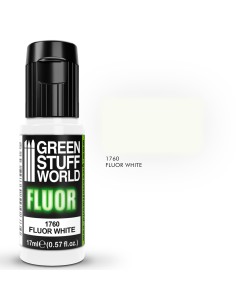
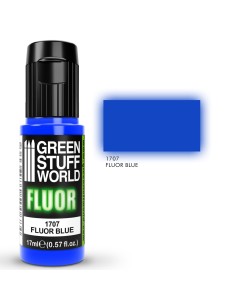
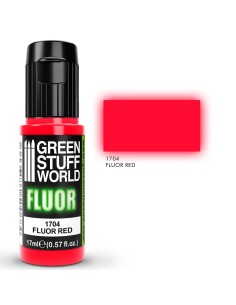
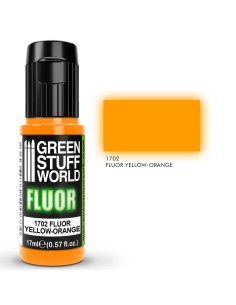
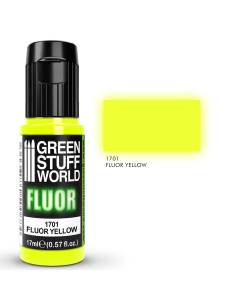
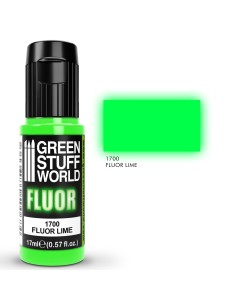
Fluorescent, metallic, and pearlescent
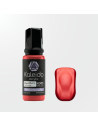
For specific works where the standard finish does not suffice: slot car bodies with competition colours, driver helmets, fantasy effects on figures. Modern metallic acrylics, especially those with fine particles formulated for airbrush, have achieved a remarkable level of realism.
Technical aspects we need to know
Dilution and consistency
The correct dilution is the most important skill in acrylic painting. Too thick: brush marks, loss of detail, uneven drying. Too diluted: no coverage, drips, wasted time on unnecessary layers. The usual reference is to achieve a consistency similar to whole milk for brush, and slightly more fluid for airbrush. Always use distilled water or, better, acrylic retardant or specific water medium: tap water can affect adhesion on delicate surfaces.
Open time and retardants
Quick drying is an advantage for layering, but a disadvantage when we want to mix colours wet on the surface or work with brush gradients. Acrylic retardants (retarder medium) extend the working time without altering the final colour. They are especially useful for painting faces of figures or areas of complex transition.
Compatibility with varnishes and enamels
Acrylics can be varnished with acrylic or alcohol-based products without issues. If you want to use enamel washes over an acrylic layer (a common technique in military modelling), you need to first apply a glossy acrylic varnish that protects the base paint from the solvent in the wash. Without that intermediate layer, the solvent can lift the paint.
Temperature and humidity
Acrylic paints are sensitive to the environment. Below 15 °C, drying slows down and adhesion may be affected. With very high humidity, drying also becomes complicated. Ideally, work between 18 and 25 °C with moderate relative humidity. In summer or very dry areas, retardant becomes almost essential.
Practical usage, maintenance, and conservation tips
- Shake the bottle well before use: pigments settle, especially in metallics and dark colours. Shaking for 30-60 seconds makes a difference in consistency and final colour.
- Do not contaminate the bottle: take the amount you need to a separate palette or container. Introducing the brush directly into the bottle shortens its lifespan and introduces residues.
- Wet palette for long sessions: a wet palette keeps acrylics fresh for hours, preventing them from drying out while you work.
- Immediate airbrush cleaning: as soon as you finish using the airbrush, run clean water and acrylic cleaning medium through it. Dried acrylic in the nozzle can ruin the tool.
- Storage of bottles: store them upright, without paint residue on the edge of the cap to ensure a good seal. In a cool place without direct light, acrylics can last several years.
- Revive dry bottles: if a bottle has lost fluidity, a few drops of distilled water and vigorous shaking usually restore it. If it is completely dry inside, it is better to discard it.
Common mistakes to avoid
Skipping the primer
This is the most common mistake among beginners. Without primer, the paint does not adhere well and peels off with the slightest touch, especially on resin or metal. Investing five minutes in priming saves hours of repainting.
Too thick layers
A thick layer does not cover better than two thin layers: it loses detail, creates a plastic effect, and may crack when drying. The philosophy of acrylics is to build up thin and transparent layers until the desired opacity and effect are achieved.
Not allowing layers to dry
Although touch drying is quick, complete curing takes longer. Applying a second layer too soon over a wet first layer can reactivate it and drag the pigment. Wait at least a few minutes between layers, or use a hairdryer on low heat to speed up the process in a controlled manner.
Mixing brands without knowing their behaviour
In general, acrylics are compatible with each other, but there are formulation differences that can cause problems: different drying times, very different viscosities, or incompatible bases. Always test on scrap plastic before applying to the model.
Not protecting the work with a final varnish
A model without a final varnish is vulnerable to abrasion, moisture, and dust. Varnish not only protects: it unifies finishes (especially if you have mixed matte and glossy areas) and gives a more professional and homogeneous appearance.
Recommendations for beginners and advanced users
If you are starting
Start with a well-established reference range like Vallejo Model Color or Tamiya: they have wide availability, good documentation, and a huge community to learn from. Choose a thematic set (modern vehicles, figures, rust effects) to have coherent colours from the beginning. Practice on scrap plastic pieces before tackling the final model. Invest in a good retardant and a wet palette: they will change your experience with the brush.
For the first slot car bodies, Tamiya or Kaleido competition colour sets are a very comfortable starting point, as they include the most common tones for 1/32 and 1/24 bodies.
If you have experience
Explore the airbrush lines from Ammo or the special effects ranges from Vallejo (chipping fluids, pigments, rust effects). The combination of acrylic layers with enamel washes (always protecting with an intermediate varnish) remains one of the most powerful techniques for achieving realistic weathering and patinas. Experimenting with colour glazes over neutral bases opens up a world of possibilities for figures and dioramas that many advanced modellers have yet to explore in depth.
| Brand |
Featured Line |
Best for |
Recommended Method |
| Vallejo |
Model Color / Game Color / Model Air |
Figures, models, slot, dioramas |
Brush and airbrush |
| Tamiya |
Acrylic / Racing Mini 4WD |
Vehicle models, slot car bodies |
Brush and airbrush |
| Kaleido |
Competition Colours |
Slot car bodies 1/32 and 1/24 |
Airbrush |
| Ammo |
One Shot / Oilbrusher / Washes |
Effects, weathering, dioramas |
Brush and airbrush |
Frequently asked questions about acrylic paints
Can I use modelling acrylic paints with an airbrush without additional dilution?
It depends on the line. The specific airbrush ranges (like Vallejo Model Air or Ammo for airbrush) are already formulated for direct use or with minimal dilution. Standard brush paints need additional dilution, generally up to 20-30% water or acrylic medium, to avoid clogging the nozzle.
Are modelling acrylics the same as fine art acrylics?
They share the same chemical base, but they are not interchangeable. Modelling acrylics are formulated with finer pigments, more controlled coverage, and specific colours for military, historical, or competition references. Fine art acrylics have different textures and volumes that do not always fit well on small-scale surfaces.
Can I mix paints from different brands?
In general, yes, but it is always advisable to do a preliminary test. Differences in formulation between brands can affect drying time, final texture, or compatibility with varnishes. Mix on a palette before applying to the model.
What primer should I use before painting with acrylics?
The most common is an acrylic primer in spray or airbrush, in light grey or white for light colours, and in black or ochre for dark colours or weathering effects. Brands like Vallejo, Tamiya, or Ammo have specific acrylic primers for different materials.
Are acrylics resistant once dry?
They are resistant to normal abrasion, but not to strong solvents or impacts. To protect the work, always apply a compatible final varnish. In slot car bodies, which receive more handling, varnish protection is especially important.
How long does it take for an acrylic layer to dry completely?
To the touch, in 5-15 minutes depending on thickness and environmental conditions. Complete curing, where the layer is chemically stable, can take between 24 and 72 hours. For layering, 10-15 minutes is usually sufficient; for varnishing, wait at least 24 hours.
Can I paint directly on plastic without priming?
Technically yes, but it is not advisable. Without primer, adhesion is much lower and the final colour may appear uneven. On resins and metals, priming is practically mandatory to prevent the paint from peeling.
What is the difference between a wash and a glaze?
A wash is a very diluted and dark paint that flows into the recesses and creates shadows. A glaze is a transparent colour applied flat to modify the tone of the underlying layer without covering it. The wash seeks depth and shadow; the glaze seeks to tone or unify the colour.
Are metallic acrylics as good as enamels for chrome finishes?
Modern ultra-fine metallic acrylics, especially those formulated for airbrush, have improved significantly and come close to enamels in quality. For extreme chrome finishes, mirror acrylics (like those from some Vallejo or Ammo lines) offer very convincing results.
Can I use acrylics outdoors or in humid climates?
Acrylics are not ideal for outdoors without additional protection. In display dioramas that will be in closed showcases, they are perfectly durable. In very humid environments, drying becomes complicated: a dehumidifier or working on dry days greatly improves results.
How much paint do I need for a 1/32 slot car?
For a standard 1/32 body with one or two coats of base colour, a 17 ml bottle is more than sufficient. If you add layers of shading, effects, and touch-ups, two or three bottles of the main colours will cover the project with margin. The thematic sets from Kaleido or Tamiya are designed precisely for this type of project.
Do acrylic modelling paints expire?
They have a long shelf life if stored properly: tightly sealed, in a cool place without direct light, they can last several years. The first symptom of degradation is that they start to clump or lose fluidity even when shaken. At that point, you can try to revive them with distilled water, although if the pigment is coagulated, it is better to replace them.