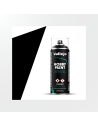
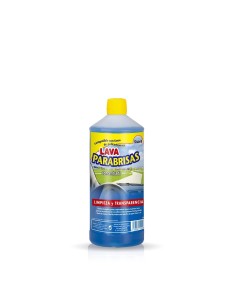
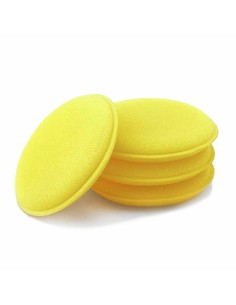
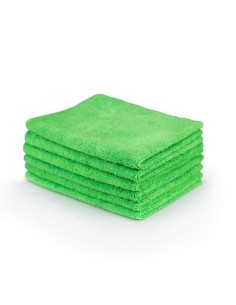
Keeping a slot car, a static model, a painted figure, or a diecast miniature clean is not an aesthetic whim: it is part of the process. Dirt, dust, adhesive residues, paint remnants, or grease accumulation in the mechanisms affect both appearance and performance. That is why specific cleaning products for modelling and slot racing are not an optional accessory, but a workshop tool as important as a brush or screwdriver.
At Ministry of Hobby, we work with cleaners, degreasers, and maintenance products specifically selected for the needs of the hobbyist: from rail cleaners that maintain optimal electrical conductivity on a slot track, to degreasers that prepare surfaces before painting or products that restore the shine to a collectible diecast miniature. Each format, each formulation, has its moment and its use.
If you have noticed that your slot cars are running slower than usual, that the braids are losing contact, that the paint does not adhere well to plastic freshly removed from the mould, or that your diecast display has accumulated a layer of dust that no longer comes off with a dry cloth, you may need to review your cleaning routine. These types of problems have simple solutions if the correct products are used and applied with the right method.
Throughout this page, we explain what types of cleaners exist, what each one is for, how to choose the right one according to your discipline, and what mistakes to avoid. Whether you are a beginner or have been in the hobby for years, you will find useful information to better care for your models and your equipment.
What are cleaning products for modelling and slot racing and why do they matter
Talking about cleaning in the hobby is talking about conservation, performance, and respect for the work invested. A slot car with a dirty rail loses conductivity and behaves erratically. A plastic or resin surface with handling grease does not accept acrylic paint well, ruining a primer layer or causing the paint to crack. A collectible miniature exposed to dust and humidity can deteriorate over time in irreversible ways.
Cleaning products specific to these disciplines are formulated to act on the materials inherent to the hobby: ABS and PS plastics, polyurethane resins, zamak metals, acrylic paints, enamels, varnishes, and electrical circuits. A generic household cleaner can attack these surfaces, leave residues that interfere with painting, or damage finishes. That is why it makes sense to use products designed for this specific use.
In the case of slot racing, rail cleaning is one of the most overlooked yet influential factors in performance. A rusty rail or one with rubber residues reduces current transmission, resulting in power loss and erratic behaviour, especially at medium and low speeds. Similarly, dirty or deformed braids generate the same problem from the car's side.
How to choose the right cleaning product
The choice mainly depends on two factors: the surface to be cleaned and the type of dirt we want to remove. It is not the same to prepare a resin piece before painting as it is to remove rust from a track rail, clean the braids of a racing car, or dust off a collectible diecast miniature.
According to the surface
- Plastic and resin: require mild or isopropanol degreasers, which remove handling grease without attacking the base material.
- Metal (rail, chassis, axles): specific cleaners for electrical contacts and anti-rust products are the most suitable. Avoid products with water or acid bases on ferrous metals.
- Painted or varnished surfaces: require very delicate cleaners or specialized cloths that do not scratch or dissolve the finish.
- Braids and electrical contacts: contact cleaners in spray or liquid form help maintain conductivity without leaving residues.
According to the type of dirt
- Grease and oil: specific degreasers or high-purity isopropanol.
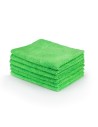
- Dry dust: microfiber cloths, soft brushes, or compressed air.
- Paint or adhesive residues: depending on the type of paint, isopropyl alcohol or solvents compatible with the base material.
- Rust and dirt embedded in the rail: track cleaners with specific formulations, often in liquid format with an applicator.
A practical rule: always test the product in a less visible area before applying it to the entire piece, especially if working on painted surfaces or resins with delicate finishes.
Main types and differences
The catalogue of cleaning products for modelling and slot racing can be organized into several well-defined families:
Slot rail cleaners
Designed to remove the residues that accumulate on the track rail: dust, remnants of rubber from tyres, metallic particles, and surface rust. They come in liquid format with a felt applicator, in spray, or in sliding tablet form. Regular use significantly improves conductivity and, therefore, the car's behaviour on track.
Contact and braid cleaners
Specific for the electrical contact points both in the car and on the track. They remove the layer of rust or dirt that reduces the efficiency of current transmission. Essential in racing cars where every milliamp counts.
Modelling degreasers
Ideal for preparing pieces before painting. They remove residues of release agent in resins, handling grease in plastics, and oils in metals. High-purity isopropanol (90% or more) is the most used due to its effectiveness and compatibility with almost all materials.
Brush and airbrush cleaners
Essential if you paint models, figures, or cars. Cleaners for acrylic paints (such as those from Vallejo or Tamiya) dissolve paint residues from the body of the airbrush, the needle, and the nozzle without damaging the internal parts. Different from solvents for enamels, which require more aggressive formulations.
Conservation and display products
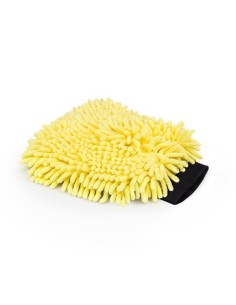
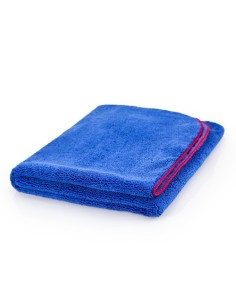
Anti-static microfiber cloths, gentle cleaning sprays, and surface protectors designed for diecast, miniatures, and models on display. Their function is to remove dust without scratching and, in some cases, to deposit a protective layer that slows down new accumulation.
Technical aspects we should know
Before applying any cleaning product, it is advisable to have a clear understanding of some technical concepts that make the difference between cleaning well and damaging a piece.
Compatibility with materials
ABS (the most common plastic in slot cars and models) is resistant to isopropanol but can be attacked by strong solvents like acetone or nitro. Polyurethane resin withstands isopropanol well but can become sensitive to acids. Zamak (an alloy used in diecast) is compatible with most neutral cleaners, but ammonia deteriorates it.
Electrical conductivity and cleaning in slot racing
The electrical resistance in the circuit of a slot car is determined by several contact points: rail-braid, braid-motor, motor-chassis. A single dirty point can degrade the performance of the entire system. Contact cleaners work by reducing that resistance and, in some cases, deposit a conductive layer that prolongs the effects of cleaning.
Purity of isopropanol
Not all isopropyl alcohols are the same. For modelling, it is recommended to use a minimum of 90% purity; 70% (pharmacy) contains too much water and can leave residues or promote corrosion in metals. 99% is preferred for cleaning airbrushes and preparing surfaces for painting.
Residues and drying times
Some cleaners, especially contact sprays, leave a light lubricating residue. On slot tracks, this can be counterproductive if the product reaches the tyres. It is advisable to apply only in the necessary area and allow to dry well before running again.
Practical tips for use and maintenance
Effective cleaning in the modelling workshop involves both technique and routine. Here are the tips that make the most difference day to day:
- Clean the rail before each important session. A pass with the track cleaner before running improves conductivity from the first metre and prevents accumulations that are harder to remove later.
- Always degrease before painting. It does not matter if the piece looks clean: residues of release agent and grease from hands are invisible but enough to ruin a primer layer. A pass of isopropanol and letting it dry for five minutes makes a difference.
- Clean the airbrush right after use. Acrylic paint dries very quickly on the needle and nozzle. Do not wait until the session is over: use cleaner between colours and do a complete cleaning at the end.
- Always use cloths that do not shed fibres. Microfiber cloths or foam-tipped swabs are ideal. Conventional cotton can leave fibres in hard-to-reach areas.
- Check the braids every few sessions. Dirty or deformed braids are a frequent cause of poor contact that can be confused with a motor problem. Clean them with a contact cleaner and check that they exert uniform pressure on the rail.
- Protect collectible miniatures with anti-static cloths. Dust adheres more easily to statically charged surfaces. An anti-static cloth not only cleans but also reduces the charge and slows down new accumulation.
Common mistakes we should avoid
Most problems related to cleaning in the hobby stem from the same old mistakes. Knowing them helps to avoid them:
Using household products on modelling materials
Furniture polish, kitchen degreasers, or multi-purpose sprays contain chemical agents that can attack ABS, dissolve varnishes, or leave greasy residues that later interfere with painting. Just because something "cleans" does not mean it is harmless to the material.
Applying too much product
More product does not mean better results. Excess cleaner can seep into delicate areas, dissolve adhesives, affect joints, or leave residues that are difficult to remove. Apply just the right amount with a controlled cloth or swab.
Not respecting drying times
Applying paint or primer on a surface that still contains residues of isopropanol or cleaner generates bubbles, craters, and adhesion problems. Always allow the surface to dry completely before proceeding.
Cleaning the rail with abrasive products
Some hobbyists use fine sandpaper or scouring pads to remove rust from the rail. This can scratch the conductive surface and worsen the problem in the long run. Specific liquid cleaners dissolve rust without damaging the metal.
Ignoring the cleaning of the braids
It is the contact point that gets the dirtiest and is the least checked. A car that seems to have motor or electronic problems may simply have dirty or poorly positioned braids. Before changing parts, clean and verify.
Mixing solvents without knowing their compatibility
Mixing alcohol with enamel solvents or cleaning a surface with one product and then applying another without letting it dry can generate chemical reactions that deteriorate the finish. Work with one product at a time and respect the times between steps.
Recommendations for beginners and advanced users
If you are starting
You do not need to have all the products from day one. Start with the essentials: a good high-purity isopropanol (90-99%) for degreasing before painting, a rail cleaner if you have a slot track, and microfiber cloths for general maintenance. With that, you will cover 80% of the most common situations.
Avoid experimenting with unknown products on important pieces. Always test in less visible areas or on scrap pieces before applying to a model that matters to you.
If you already have experience
As you progress in the hobby, it is worth investing in more specific products: contact cleaners for racing slot cars, spray degreasers for resins, dedicated cleaners for airbrushes, and conservation products for your diecast collection. It also starts to make sense to have a step-by-step cleaning protocol, especially if you build or prepare models for competition or display.
Advanced users working with resins know that degreasing is not optional: it is the step that determines whether the primer adheres or not. And those preparing racing slot cars understand that cleaning the electrical train (braids, rail, motor) is done before and after each session, not just when there are problems.
Frequently asked questions about cleaning products for modelling and slot racing
Can I use pharmacy alcohol for degreasing?
Pharmacy alcohol is usually 70% pure, which means it contains 30% water. For degreasing before painting, it is better to use isopropanol of 90% or more, which dries faster and does not leave wet residues that could affect adhesion.
How often should I clean the slot track rail?
It depends on usage. On a home track with moderate use, cleaning before each long session is sufficient. On club or competition tracks, cleaning should be more frequent because the traffic of cars deposits more rubber and metal residues in less time.
Are contact cleaners safe for all tracks?
Most are, but some leave a residue that can be slippery for tyres if applied excessively. Always apply the right amount, let it dry, and if necessary, wipe a dry cloth over it before running.
What do I use to clean a diecast miniature without scratching it?
A soft microfiber cloth, preferably anti-static, is the safest option. For more adhered dirt, a cloth slightly dampened with distilled water (not tap water, to avoid limescale). Avoid products with alcohol on very shiny lacquered finishes, as they can dull them.
How do I clean the braids of my slot car?
Remove the braids from the car and use an electrical contact cleaner applied with a foam-tipped swab or a cloth that does not shed fibres. Gently remove carbon and rust deposits. Also, check that they maintain the correct shape to make good contact with the rail.
Can I use the same cleaner for airbrush and degreasing?
It depends on the product. High-purity isopropanol works for both in the case of acrylic paints. However, airbrush cleaners formulated by brands like Vallejo or Tamiya may contain additives that improve paint dissolution but are not necessary (nor always recommended) for the prior degreasing of parts.
What do I do if I have applied too much cleaner and there is residue?
Wipe a clean, dry cloth over the surface to absorb the excess. If the residue has dried and is sticky, a second pass with a minimal amount of the same product usually dissolves it. Allow to dry completely before continuing with the process.
Do I need different products for plastic and resin?
In general, high-purity isopropanol works well in both cases. Where there is a difference is in the intensity of degreasing: freshly moulded resins often carry more release agent and sometimes require washing with water and neutral soap followed by isopropanol to ensure a completely clean surface.
Are compressed air sprays useful in modelling?
Yes, especially for removing dust from hard-to-reach areas (motors, inside bodies, figures with a lot of detail). Use them with caution on small and loose parts, as the pressure can displace or damage them.
What do I clean brushes with between colours?
For acrylic paints, clean water or the specific brush cleaner from the brand (Vallejo, Tamiya). Between colours, just rinse the brush in water and remove the excess with a cloth. At the end of the session, a more thorough cleaning with specific cleaner keeps the bristles in good condition.
How do I prevent dust from quickly accumulating on my models?
In addition to anti-static cloths, a closed display case is the best solution for models on permanent display. If you do not have a display case, anti-static sprays applied moderately to the surface reduce the charge and make dust adhere more slowly.
Can I use acetone to clean ABS plastic?
It is not recommended. Acetone attacks ABS and can deform it, create white marks, or partially dissolve the surface. For ABS plastic, always use isopropanol or specific cleaners without aggressive solvents.