Arriving at a race with the car in perfect condition, transporting a diecast collection without a scratch, or carrying resin miniatures without suffering the slightest bump: that is exactly what a good transport case solves. In the world of slot, static modelling, and collecting, protecting the material is not a whim but a real necessity. A competition-prepared car can represent hours of workshop work and a considerable outlay; a hand-painted or airbrushed figure, weeks of dedication. Losing all that due to careless transport is one of the most painful mistakes in the hobby.
Transport cases have evolved significantly in recent years. We are no longer talking just about generic hard cases: the specialised market offers solutions specifically designed for 1/32 or 1/24 scale slot cars, for 1/18 or 1/43 diecast miniatures, for figures, dioramas, and static models. Each format has its own needs for cushioning, compartmentalisation, and structural rigidity, and making the right choice makes the difference between arriving with the material intact or regretting it in the paddock.
At Ministry of Hobby, we know firsthand what it means to take material to a championship, an exhibition, or simply to a friend's garage for some laps. That’s why we have selected a catalogue of transport cases and bags that meet the real demands of enthusiasts and competitors, without sacrificing everyday practicality. Whether you are looking for a compact solution for two or three cars or a modular system for an entire competition fleet, here you will find options designed for the true hobby.
What is a transport case and why is it important
A transport case in the context of the hobby is a container designed to protect, organise, and facilitate the transport of fragile or valuable material: slot cars, diecast, figures, models, or any other miniature. Unlike a generic box, a specialised case incorporates securing systems, custom-cut foam, or adjustable compartments that keep each piece in place even if the case suffers bumps, falls, or vibrations during transit.
The importance of a good case goes beyond physical protection. An orderly transport facilitates quick setup in competition, allows immediate identification of what you have and in what condition, and extends the lifespan of all material. Lexan or resin bodies, wings, mirrors, and painted details are especially vulnerable. A simple rub between two poorly stacked cars can ruin an irreplaceable decoration or bend a part that will take weeks to arrive as a replacement.
In competition, moreover, order is performance. Knowing exactly where each set of tyres, each spare guide, or each tool is during a practice session or between heats makes the difference between reacting in time or losing positions due to a poorly managed incident.
How to choose the right transport case
Before deciding on a specific case, it is advisable to ask yourself some basic questions that will define which one best suits your situation:
- What exactly are you going to transport? A 1/32 slot car is not the same as a 1/18 diecast or a 35 mm figure. Volume, fragility, and shape determine the type of compartment you need.
- How many units do you need to transport? From individual cases to bags with capacity for eight or ten cars. Also consider whether you will need to carry spare parts, tools, or additional electronics.
- How often will you use it? For occasional use, a simpler solution may suffice; if you go to races regularly, the durability of the exterior and the quality of the closures and handles become priorities.
- How will you be travelling? By car, public transport, or plane, the requirements change. For flights, the rigidity of the exterior and the dimensions for cabin or checked baggage are crucial.
- Do you need additional compartments? Many cases include pockets for tools, remotes, cables, or small spare parts. Assess whether this is important to you or if you prefer a more compact and lightweight system.
Once these questions are clear, the selection process becomes significantly easier. Do not be swayed solely by maximum capacity: a well-chosen case for what you actually use is always better than a huge one that you end up filling with newspaper.
Main types and differences
The market offers several categories of transport cases, each with specific advantages depending on use:
Hard cases with moulded foam
These are the most common option in the slot racing world. They feature a hard outer shell—usually made of ABS plastic or aluminium—and a high-density foam interior cut to the exact shape of the cars. Protection is maximum against bumps and impacts, and each model is perfectly immobilised. The downside is that moulded foam does not adapt to new additions: if you change cars, you may need a different case or to modify the cut.
Cases with modular or Pick & Pluck foam
Pick & Pluck foam is pre-grid in small blocks that the user can remove to create the exact space needed. It is a very versatile solution: suitable for cars of different scales, for figures, for electronics, or for combinations of heterogeneous material. Very popular among enthusiasts who mix slot with static modelling or diecast.
Individual cases and bags
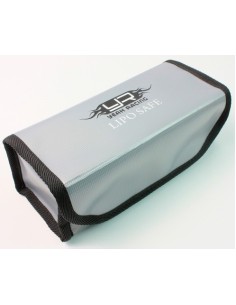
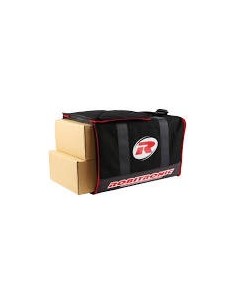
For transporting one or two cars, individual cases—often made of durable fabric or semi-rigid materials—are an agile and lightweight solution. They do not offer the protection of a hard case, but they are perfect for storing a prepared car in the workshop or taking it in a bag to an informal meet.
Wheeled cases and trolleys
When the volume of material is significant—multiple cars, spare parts, tools, remotes, and cables—trolleys with wheels allow you to move everything without physical effort. They are especially practical at events with large distances from parking to paddock or at fairs and exhibitions.
Stackable boxes and systems
Some brands offer stackable modular boxes that allow you to configure the transport system according to the needs of each outing. Very used in diecast collecting, where the number of pieces can grow quickly.
Technical aspects we should know
Beyond the exterior aspect, there are several technical factors that are worth understanding before purchasing:
Density and type of foam
Not all foams are the same. High-density foams absorb impacts better but are heavier; low-density foams are lighter but offer less protection against strong blows. For competition cars with resin bodies or delicate parts, high-density foam is always the best option. For diecast in original packaging, a softer foam may be sufficient.
Exterior durability
The most common materials are ABS (rigid plastic), aluminium, and fabric with internal structure. Aluminium is the most resistant and lightweight in proportion, but also the most expensive. ABS offers a good strength-to-price ratio. Semi-rigid fabric cases are the lightest, but it is advisable to verify that the internal skeleton properly protects the contents.
Closure system
Metal lever closures are more reliable than zippers for intensive use. If you are going to travel by plane, check that the closures can accommodate a lock and that the dimensions comply with airline regulations.
Ergonomics and weight
A case full of slot cars can weigh quite a bit. Padded handles, balanced weight distribution, and, if the volume justifies it, telescopic wheels are details you will especially appreciate at long events.
Practical usage and maintenance tips
A well-chosen case lasts for years if properly cared for. Some tips that we apply ourselves:
- Before storing a slot car in the case, remove the braids if they are removable to prevent them from rubbing against the body during transport.
- Ensure that the guide is centred and does not exert lateral pressure on the foam cavity.
- For 1/18 diecast, if the piece comes without original packaging, wrap the mirrors and antennas with a small piece of additional foam before closing.
- Regularly clean the interior foam with a dry or slightly damp cloth; accumulated dirt can scratch lacquered or painted bodies.
- Periodically check the closures and hinges. A closure that fails at the wrong moment can be catastrophic.
- If you use a case with Pick & Pluck foam, keep the leftover blocks in a bag: they will be useful for adapting new cavities without having to cut more foam.
- For figures and dioramas, always place the heaviest pieces at the bottom of the case and the most delicate on top, well secured.
Common mistakes to avoid
Over the years, we have seen—and made—enough transport mistakes to summarise them in a list worth keeping in mind:
- Buying for capacity without considering actual use. A case for ten cars that always carries three ends up being uncomfortable, heavy, and unstable. Adjust the capacity to what you actually transport regularly.
- Ignoring the total weight. Add the weight of the empty case plus all the material you are going to put in. Some combinations easily exceed ten kilos.
- Not checking dimensions before a flight. Regulations vary between airlines and between cabin and checked baggage. Always check this before purchasing if you travel frequently to international events.
- Mixing pieces without proper separation. Even if two cars fit in the same space, they should never go without separation. Rubbing between bodies—even if gentle—can ruin a decoration.
- Underestimating the fragility of wings and mirrors. They are the first victims of careless transport. If your case does not specifically protect them, it is worth reinforcing those areas with additional foam.
- Using the case as permanent storage. Material stored long-term in foam can absorb moisture. For storing cars at home for months, a display case or a ventilated box is better.
Recommendations for beginners and advanced users
If you are just starting
If you have just entered the world of slot or collecting, you probably do not yet need a large-capacity case. Start with a semi-rigid individual case or a small case with capacity for two or four cars. It will allow you to attend your first meets or races without a large investment and without carrying more weight than necessary. As your collection or fleet of cars grows, you will know exactly what you need.
For static modelling or dioramas, a medium-sized Pick & Pluck foam box is a very versatile first solution: it adapts to figures, finished models, and small dioramas without the need for specialised cuts.
If you already have experience
Advanced users, especially those who compete regularly, often look for more complete systems: high-resistance cases with specific spaces for each car, compartments for tools, organised spare parts, and, in many cases, a second case for electronics and remotes. The investment in a good quality rigid aluminium or ABS case pays off quickly when compared to the cost of repairing or replacing a damaged car.
For 1/18 diecast collectors, stackable systems with individual compartments are the most practical solution when the number of pieces exceeds ten or twelve units and they need to be taken to exhibitions or swaps.
| Type of case |
Protection |
Versatility |
Weight |
Ideal for |
| Hard with moulded foam |
Very high |
Low |
Medium-high |
Slot competition, specific cars |
| Hard with Pick & Pluck foam |
High |
Very high |
Medium |
Mixed use, different scales |
| Individual case / bag |
Medium |
High |
Low |
Occasional use, 1-2 cars |
| Trolley / wheeled case |
High |
Medium |
High |
Large events, a lot of material |
| Stackable boxes |
Medium |
Very high |
Variable |
Diecast, extensive collecting |
Frequently asked questions
What case is best for taking slot cars to a race?
It depends on the number of cars and the type of event. For regular races with two or three cars, a medium-sized hard case with moulded or Pick & Pluck foam is the most balanced option. For championships with a lot of material, consider a trolley or a large-capacity case with differentiated compartments for tools and spare parts.
Can I use the same case for 1/32 slot and 1/18 diecast?
Not directly, as the scales are very different in size. A case with Pick & Pluck foam can adapt to both, but you will have to reconfigure the cavities each time. The most practical solution is to have a specific case for each type of material if you use them regularly.
Can the foam in the cases damage the paint on the cars?
Good quality foams should not damage the paint, but it is advisable to avoid very abrasive or excessively dense foams in direct contact with lacquered bodies. If in doubt, place a thin layer of soft fabric between the foam and the body.
What capacity do I need to go to a slot competition?
In a typical competition, between two and four cars are usually taken, plus basic spares (guides, braids, tyres, pinions) and tools. A case for four cars plus a side pocket for accessories is usually sufficient for most enthusiasts.
Is an aluminium case worth it compared to an ABS plastic one?
Aluminium is more resistant to lateral impacts and lighter in proportion, but its price is significantly higher. If you go to many events and the material is valuable, aluminium is justified. For more casual use, good quality ABS offers more than sufficient protection.
Can I take a slot case on the plane as hand luggage?
It depends on the dimensions and the regulations of each airline. Many medium-sized slot cases fit as cabin luggage, but always check the maximum allowed dimensions before travelling. If you are carrying tools or batteries, also check the security restrictions.
How do I protect wings and mirrors inside the case?
You can cut small pieces of leftover foam to wrap the most vulnerable areas before closing the case. Some users also use acid-free tissue paper, especially for collectible diecast.
Are cases with compartments for tools useful?
Very much so, especially in competition. Having the tools in the same case as the cars prevents forgetting something essential and speeds up setup in the paddock. Look for compartments with adjustable dividers to adapt them to your specific tools.
What do I do if the moulded foam does not fit my car?
If the foam is of the Pick & Pluck type, you can remove additional blocks to enlarge the cavity. If it is fixed moulded foam and does not fit, you can use a precision blade to carefully adjust the cut, although ideally, you should verify compatibility before purchasing.
Are there specific cases for figures and static models?
Yes. Cases with Pick & Pluck foam are especially versatile for this use, as they allow for creating custom cavities for any shape. For large dioramas, trolleys with large compartments or modular transport boxes are the best option.
How often should I check the condition of my case?
Before and after each important event. Check the closures, hinges, the condition of the interior foam, and the integrity of the exterior. A case with a defective closure or deteriorated foam ceases to fulfil its protective function.
Can I use a standard tool case to transport slot cars?
Technically yes, but it is not ideal. Tool cases are not designed for fragile material and can transmit vibrations or shocks directly to the bodies. If it is only a temporary solution and you add protective foam, it may work; for regular use, invest in a specific case.