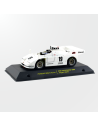
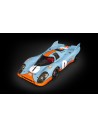
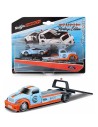
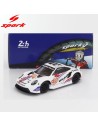
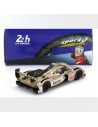
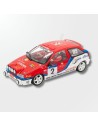
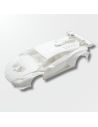
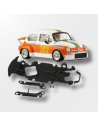
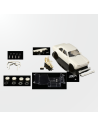
The body is probably the piece that most defines a slot car. It is the first thing you see, the first thing that captivates you, and often what determines whether a model ends up in the drawer or on the track racing every week. But beyond the visual aspect, the body has a real influence on the car's behaviour: it affects weight, centre of gravity, aerodynamics, and in many cases, the possibilities for customization and tuning. That’s why choosing it well is as important as selecting the motor or the wheels.
In today's market, there are bodies of very different natures: those that come from the factory mounted on a complete chassis, those that are sold separately to replace a damaged one or to customize a set, and those that are designed from the outset for regulated competition. Each one responds to a different logic, and knowing these differences saves you money, time, and frustration.
Whether you are looking to replace a broken body after a race accident, want to build a competition car from scratch, or simply add a collectible piece to your display, you will find what you need here with the backing of people who have been in the hobby for years and know exactly what they are talking about. In the following sections, we explain what types exist, how to choose the most suitable one for your case, what technical aspects you should consider, and how to make the most of it.
What is a slot body and why is it so important
In a slot car, the body is the outer shell that covers the chassis and mechanical components. It serves an obvious aesthetic function — to reproduce with more or less fidelity the silhouette of a real vehicle — but it also has technical implications that should not be ignored.
The material it is made from determines its weight, impact resistance, painting possibilities, and the level of detail it can achieve. A polyurethane resin body, for example, allows for extraordinary detail and is ideal for high-level competition or collection, but it is more fragile than an injected ABS plastic one. A polycarbonate body, on the other hand, withstands impacts much better, although it rarely matches the level of definition of resin.
From the perspective of track behaviour, the body directly influences the centre of gravity of the whole. A lighter piece allows lowering that centre of gravity and gaining stability in corners. Additionally, in regulated competition classes, the minimum weight of the car may be limited, making the choice of materials a strategic decision. Aerodynamics also comes into play: although at the speeds a slot car operates it does not have the same impact as in real motorsport, aerodynamically loaded designs — with wings, skirts, and diffusers — do generate noticeable differences on high-speed tracks.
How to correctly choose the body for your car
The first question you should ask yourself is what you are going to use the car for. It is not the same to prepare a slot for timed competition on a circuit as it is to set it up as a collectible piece or use it for casual racing at home. Each use has its own priorities.
For competition: look for bodies homologated by the regulations of your championship or group. Many organizations require that the body be of a specific reference or meet certain weight and shape criteria. Brands like NSR, Slot.it, Avant Slot, or Scaleauto offer competition bodies with high dimensional fidelity and controlled weight.
For use on non-regulated tracks: you have more freedom. Here, compatibility with your chassis is the key factor. Ensure that the mounting points match, that the body does not interfere with the motor or guide, and that the size is appropriate for the scale of your track.
For collection or display: prioritise the level of detail, the quality of the factory finish, and the fidelity to the real model. High-quality resin bodies are usually the best option here, especially if they are going to be displayed without ever running.
The scale is also decisive. In 1/32, the most widespread format, the offer is vast and covers everything from historical touring cars to Le Mans prototypes or Formula 1 single-seaters. In 1/24, the body is physically larger and the level of detail can be even higher, but compatibility between brands is stricter and not all home tracks accommodate this format.
Main types and differences
We can classify slot bodies according to three main criteria: material, application, and origin.
By material
- Injected ABS plastic: the most common in mass production. It offers good impact resistance, acceptable finishes, and a contained price. It is the usual material in brands like Scalextric or Ninco in their entry-level ranges.
- Polyurethane resin: used in high-end and competition bodies. It allows for very fine detail reproduction, is lightweight, and accepts paint very easily. Avant Slot is one of the few brands that produces resin bodies at an industrial level with reference finishes. It requires more care in handling because it is more susceptible to breakage from impact.
- Polycarbonate (Lexan): very common in unpainted bodies for customization. Extremely resistant to impacts, flexible, and lightweight. It is painted from the inside to protect the finish. It is the preferred option for many enthusiasts who want to customize their car from scratch.
By application
- Production bodies: come integrated into the standard car. They are the starting point for most users.
- Spare bodies: sold separately to replace a damaged one or to mount on a different chassis than the original. NSR, Slot.it, and Scaleauto have specific catalogues of spare bodies for their chassis.
- Homologated competition bodies: designed to comply with specific regulations for organized races. Their geometry, weight, and materials are controlled.
- Bodies for customization (unpainted): generally made of polycarbonate or resin without finish, designed for the enthusiast to apply their own decoration.
By represented motorsport discipline
- GT and touring (the most popular in 1/32)
- Prototypes and Le Mans (high penetration in competition)
- Formula 1 and single-seaters
- Rally and Raid
- Classics and historicals
Technical aspects we should know
Although the body may seem just a shell, there are several technical aspects that are worth understanding before buying or installing one:
Mounting point compatibility: each manufacturer uses a different fastening system. The mounting posts, tabs, and attachment points to the chassis vary between brands and even between models of the same brand. Before buying a spare body, check that it is compatible with the chassis you have or plan to use.
Clearance under the body: the distance between the bottom of the body and the track affects aerodynamics and can cause the body to rub against the rail or curbs in very tight corners. In competition cars, this adjustment is critical.
Weight and distribution: the total weight of the car and its front/rear distribution directly influence behaviour. A body that is heavier than necessary can compromise motor response and traction. If you are preparing a car for competition, weigh the body before mounting it and compare it with the available alternatives.
Interference with the motor and guide: especially in sidewinder or anglewinder configurations, the volume of the motor can conflict with the body if it has a very low profile. Always check that there is enough space for the mechanical assembly before closing the car.
Windows and transparencies: in high-quality bodies, the windows may be made of acetate or separate polycarbonate. This detail is not just aesthetic: in some competition regulations, it is required that the windows be translucent.
Practical tips for use, maintenance, and preparation
A well-maintained body lasts much longer and performs better. Here are some guidelines that we apply ourselves:
- Regular cleaning: dust and dirt accumulated on the body can add unnecessary grams. Clean with a dry or slightly damp cloth, avoiding aggressive solvents on painted surfaces.
- Finish protection: if the body is painted, a thin layer of protective varnish (matte or satin depending on the desired finish) extends the life of the decoration. Brands like Vallejo, Tamiya, or Ammo offer varnishes compatible with acrylic paints.
- Repairing minor breaks: small cracks in resin or ABS can be repaired with low-viscosity cyanoacrylate. For polycarbonate, it is better to use specific adhesives for this material.
- Post adjustment: if the body wobbles on the chassis or is too high, check the mounting posts. You can add small washers or slightly trim the posts to achieve the perfect fit.
- Storage: if you are going to store spare bodies, do so in protective sleeves or boxes, away from direct sunlight, which can fade paints over time.
Common mistakes we should avoid
Over the years, we have seen the same mistakes repeated. We tell you about them so you don't have to learn them the hard way:
- Buying for appearance without checking compatibility: a beautiful body that does not fit your chassis is useless. Always check reference, scale, and mounting system before confirming the purchase.
- Ignoring weight: in competition, every tenth of a gram counts. Do not choose the body solely for aesthetics; compare weights if you have several options.
- Using inappropriate solvents for cleaning: some cleaning products attack ABS or resin and can ruin the finish in seconds. Always use products compatible with the material.
- Painting polycarbonate from the outside: polycarbonate (Lexan) is always painted from the inside. If you apply paint from the outside, it will come off with the first scratches.
- Forcing assembly without checking for interference: forcing a body to fit can damage the posts, chassis, or the body itself. If it does not fit naturally, check the problem before tightening.
- Mixing bodies of different scales: it may seem obvious, but it is not uncommon to try to mount a 1/24 body on a 1/32 chassis. The proportions do not match, and the result is unusable.
Recommendations for beginners and advanced users
If you are just starting
The most sensible thing is to start with ABS plastic bodies from established brands like Scalextric or Ninco. They are durable, economical, and easy to find. If you damage one, the replacement cost is low, and the learning process does not become expensive. As you become more familiar with your car and your preferences, you can move on to more demanding materials.
Avoid starting with resin bodies if you have no experience handling them: they are more delicate, and any fall can result in a break that is difficult to repair.
If you already have experience
If you prepare cars for competition, resin bodies from brands like NSR, Slot.it, Avant Slot, or Scaleauto are your natural territory. They offer total control over weight, integrate perfectly with competition chassis, and allow for advanced customization both aesthetically and aerodynamically.
For visual customization, unpainted polycarbonate bodies give you total freedom. You can create a completely original livery by applying acrylic paints, an airbrush, and decals. If you work with an airbrush, paints from Tamiya, Vallejo, or Ammo are proven options with excellent results on polycarbonate.
| Material |
Resistance |
Detail Level |
Paintable |
Relative Price |
Recommended Profile |
| Injected ABS |
High |
Medium-high |
Yes (exterior) |
Low-medium |
Beginner / general use |
| Polyurethane resin |
Medium (fragile to impacts) |
Very high |
Yes (exterior) |
Medium-high |
Competition / collection |
| Polycarbonate (Lexan) |
Very high |
Medium |
Yes (interior) |
Medium |
Customization / competition |
Frequently asked questions about slot bodies
Can I mount any body on any chassis?
No. Compatibility depends on the manufacturer, scale, and mounting system. You should always verify that the mounting points match and that the body has the necessary interior space to accommodate the mechanical assembly of your chassis.
What is the difference between a resin body and a plastic one?
Resin allows for greater detail and is usually lighter, but it is more fragile against impacts. ABS plastic is more resistant and economical, although the level of definition is usually somewhat lower. For high-level competition, resin is generally preferred.
Are polycarbonate bodies painted from the inside or outside?
Always from the inside. Polycarbonate is a very flexible material, and paint applied from the outside does not adhere properly and easily comes off. By painting from the inside, the colour layer is protected by the material itself.
Does the body influence the speed of the car?
Directly, yes. The weight of the body affects acceleration and cornering behaviour. To a lesser extent, aerodynamics also plays a role, especially on high-speed tracks with long straights.
Can I use a 1/32 body on a 1/24 track?
It is not recommended. Although it may physically fit in some cases, the proportions of the car will not be correct, and compatibility with the chassis of each scale is different. Each scale has its own ecosystem of parts.
Which brands have the best catalogue of spare bodies?
NSR, Slot.it, Avant Slot, and Scaleauto are the most solid references in spare and competition bodies. They offer spare references compatible with their own chassis and some third-party chassis.
How do I repair a broken resin body?
For small cracks, low-viscosity cyanoacrylate works very well. For more significant breaks, you can use cyanoacrylate with filler or epoxy resin. After that, gently sand the repaired area and touch up the finish with acrylic paint.
Can I paint a body that already comes painted from the factory?
Yes, but it is advisable to prepare the surface well. Lightly sand with fine-grit paper, apply a compatible primer, and then the paint. If the original decoration includes decals, it is better to remove them before repainting.
Do bodies affect the track system I should use?
The body itself does not determine the track system (universal rail or sport rail), but the chassis it is mounted on does. The chassis conditions the guide, track width, and overall geometry that determines whether the car is compatible with one system or another.
What weight should a competition body have?
It depends on the regulations of the championship you are competing in. Generally, for competition in 1/32, the goal is for the body to be as light as possible without compromising structural rigidity. Many resin bodies for competition weigh between 8 and 15 grams, but the most important thing is to consult the specific regulations of your group or championship.
What paints work best on resin?
Acrylic paints are the most versatile and safe on resin. Brands like Vallejo, Tamiya, or Ammo offer excellent results. Always apply a primer coat first to improve adhesion and uniform the surface.