Shopping Cart
-

-
 James Bond Aston Martin 'Goldfinger'€62.00 €69.00
 Mosler MT900R Salvatore Noviello 11th Anniversary EVO3€63.57 €73.57
 Formula 90-97 Blanco/Azul/Amarillo 1990 Nº6 morro bajo€76.30 €79.90
 Porsche 908/3 Turbo White Edition Jürgen Barth€29.50 €36.00
 Advance Audi S1 WRC Sonax€30.00
 -
 Rodador con transformador€40.00
 Punta Hex. 0.9 mm€3.40
 -
 Circuito Open Rally Set€188.43
 Muelle para mandos€2.00




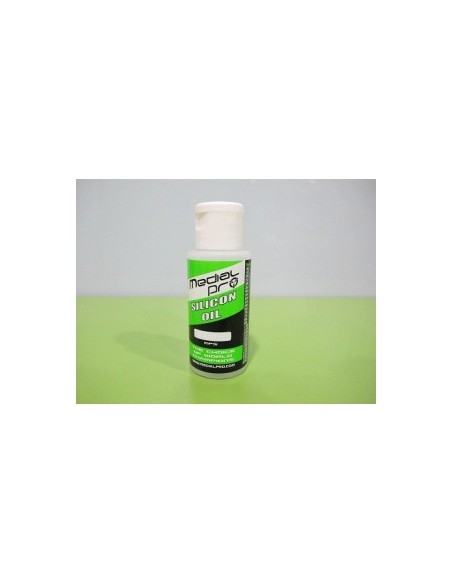
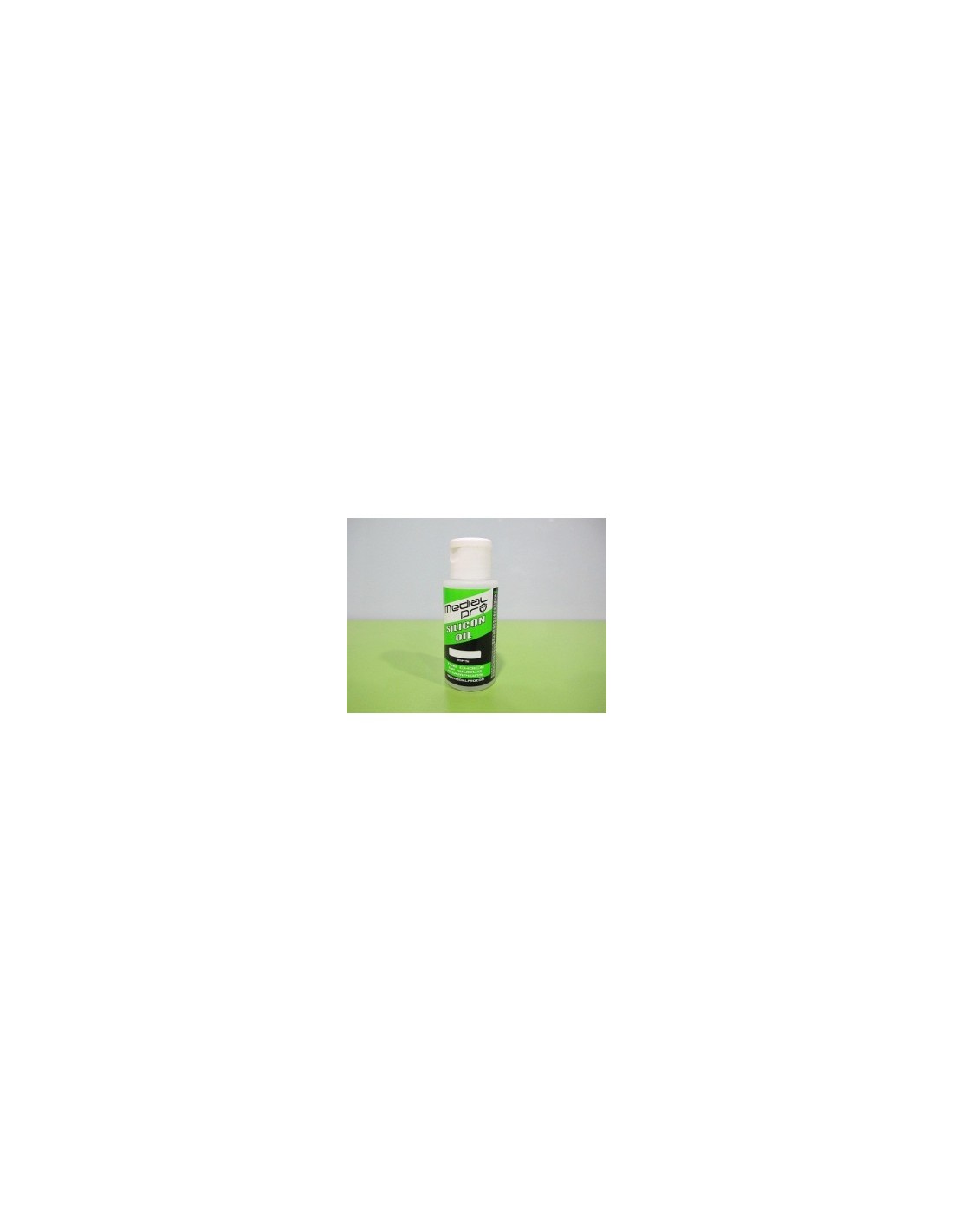
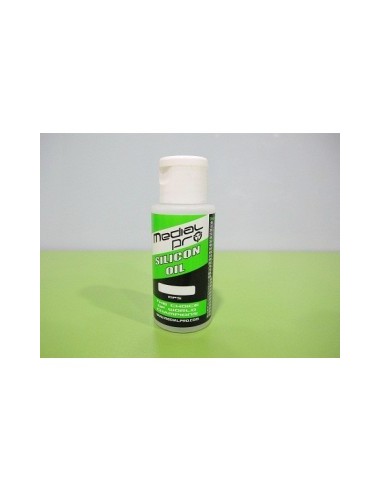
Silicone 2000CPS

Last items in stock
€5.95
Tax included
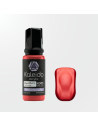
2000 CPS silicone designed for mechanical adjustment applications in slot cars and modelling. Its medium-high viscosity makes it a precise choice for differentials, chassis, and damping areas where consistency and durability are required.
Viscosity 2000 CPS: the reference silicone for differential and mechanical adjustment in slot
When mechanical detail matters, the choice of lubricant is not arbitrary. The Silicone 2000CPS (ref. MP010-2000) offers a medium-high viscosity that places it in the ideal range for applications where a fluid that does not migrate easily, dampens correctly, and maintains its properties over time and under the friction of track use is needed.
Main features
- Viscosity: 2000 CPS (centipoise), medium-high range within the silicone range for slot and modelling.
- Formulation free of aggressive solvents: does not attack plastics or elastomers commonly found in slot cars and models.
- High thermal stability: maintains its consistency against the heat generated by the motor and mechanical friction.
- Non-conductive: suitable for use in areas close to the car's electronics.
- Reference: MP010-2000.
Recommended applications
The viscosity of 2000 CPS clearly differentiates it from lighter silicones (such as those of 100–500 CPS) and directs it towards specific uses where greater body is required:
- Differential: filling or adjustment of differentials in competitive slot cars, where cornering behaviour directly depends on the viscosity of the fluid.
- Mechanical damping: application in floating mounts, springs, and suspension areas of competition chassis.
- Gears and crowns: lubrication of the transmission when seeking a compound with greater adhesion than lighter silicones.
- Static modelling: effects of fluids or viscous liquids in dioramas and figures, thanks to its transparent appearance and controlled texture.
Behaviour and performance
At 2000 CPS, the silicone flows slowly but does not behave like a gel. This makes it especially useful in applications where a silicone that is too liquid would migrate out of the working area, but where a lubricant that is too thick would add undesirable mechanical resistance. It is the balance between retention and functional fluidity.
In the differential, each point of viscosity influences the car's behaviour in corners: more viscosity implies more differential locking and greater traction out of the corner. With 2000 CPS, one works within a typical range for clubs and medium-advanced level competition.
Usage recommendations
- Apply precisely using a dosing needle or fine syringe to control the exact amount.
- In the differential, start with a minimal amount and adjust progressively until the desired behaviour on track is found.
- Clean up excess with a dry cloth or cotton swab before the silicone migrates to unwanted areas.
- Store the container tightly closed, away from direct light and heat, to preserve the original viscosity.
Frequently asked questions
What is the difference between a 500 CPS silicone and a 2000 CPS silicone?
The higher viscosity implies greater resistance to flow. A 500 CPS silicone is more liquid and is used for light lubrication or open differentials with little locking. The 2000 CPS provides more body, greater retention in the application area, and a more pronounced differential locking effect.
Is it compatible with the plastics of slot car chassis and cars?
Yes. Silicones used in slot and modelling are formulated not to attack the ABS and polycarbonate plastics commonly found in chassis and bodies, nor the elastomers of tyres and seals. Nevertheless, if you have doubts about a specific material, test it first in an inconspicuous area.
Can I use it in the differential of any slot car?
Generally yes, as long as the differential is of the type that allows filling with silicone fluid. Check the design of your differential before applying: some competition models are specifically designed for this use, while other differentials from standard cars may not be suitable.
Is it also suitable for dioramas and water or fluid effects in modelling?
Yes. The transparent medium-high viscosity silicone is a common resource in static modelling to simulate viscous fluids, oils, liquid mud, or slow-moving water effects. At 2000 CPS, a credible texture for this type of representation is achieved.
Does it conduct electricity?
No. Silicone is an excellent electrical insulator, so it can be applied near electronic components without the risk of short circuiting.
The Silicone 2000CPS (MP010-2000) is a medium-high viscosity silicone fluid designed for slot car differential filling, mechanical damping, and gear lubrication. Its 2000 CPS rating makes it a precise choice for club and competition-level setups, where differential behaviour directly impacts cornering performance. Also suitable for static modelling diorama effects. Compatible with ABS and polycarbonate plastics commonly found in slot car chassis and bodies. Available at Ministry of Hobby.
MP010-2000
1 Item
No reviews
Comments (0)
No customer reviews for the moment.
Tap to zoom