There are products that go unnoticed until you use them and see how much they change things. Silicones are one of them. Whether you race on track or build models, prepare figures, or care for your collection, this type of compound appears at multiple moments in the process: to provide grip to the tyres of a slot car, to condition rubber and plastic surfaces, to protect resin parts, or simply to keep in perfect condition the components we cherish the most.
In the world of slot racing, silicone is a common element on the workbench of any driver who wants to fine-tune their car to the maximum. Its correct use can make a difference of tenths on the track, improving traction, corner stability, and the car's response. In static modelling, figures, and dioramas, silicone serves another purpose: preparation, protection, and preservation.
The usual problem is not finding silicone; it is knowing which one to use, how to apply it, and when to do so. There are important differences between products, and choosing poorly can have the opposite effect to what you seek: a tyre that is too soft and deforms, a surface that repels paint, or a part that becomes sticky. That is why in this category you will find products selected with technical criteria, designed for different uses and levels of demand.
If you are just starting, it will help you understand what each type is for. If you already have experience, you will appreciate having the specific references that work. In both cases, what you will find here is intended for those who take the hobby seriously, even if they do not make a profession out of it.
What is silicone and why it matters in slot and modelling
Silicone is a synthetic polymer with very particular properties: it is flexible, temperature resistant, non-reactive with most materials, and has an exceptional ability to modify the surface it is applied to. These characteristics make it useful in very different contexts within the hobby.
In slot racing, the most well-known application is tyre treatment. The polyurethane or rubber tyres fitted on cars from brands like NSR, Slot.it, Scaleauto, or Avant Slot are the point of direct contact with the track. Their hardness, elasticity, and grip directly condition the car's behaviour. Silicone acts on that surface: it can soften it to gain more bite on low-traction tracks, or simply keep the rubber in good condition when the car is stored and the tyres harden over time.
In modelling, silicone has a different role. It is used to prepare surfaces before painting (as a release agent in moulds), to preserve rubber or flexible plastic parts, and in some cases as a component in the manufacture of moulds to replicate parts or figures. It is also applied to the tyres of static or diecast cars to keep them visually in good condition and to prevent the typical deterioration of rubber over the years.
In summary: silicone is a cross-cutting product that makes sense in the workshop of the most demanding driver and on the table of the most meticulous modeller.
How to choose the right silicone according to your use
The first criterion is clear: what do you need it for? It is not the same to treat competition tyres as it is to preserve the wheels of a diecast collection or prepare a mould to replicate a resin part. Each application has its requirements.
For competition slot tyres
Here the key is in the concentration of the product and the exposure time. A tyre treatment silicone works by absorption: the compound penetrates the rubber and softens it. The longer the tyre is in contact with the silicone, the softer it will become. This means that controlling the process is fundamental. A tyre that is too soft can deform, lose its original shape, and make the car uncontrollable. A well-calibrated treatment, on the other hand, can transform the behaviour on track.
Some drivers work with liquid silicone applied directly to the mounted tyre. Others prefer to immerse the tyre for a controlled time. The technique depends on the product and the user's experience. Always read the manufacturer's instructions and, if you are starting, do it with short times and gradually increase.
For preservation and maintenance
In this case, what you are looking for is a soft silicone, in spray or liquid form, that does not drastically alter the hardness of the rubber but does hydrate and protect it. It is ideal for collection cars, tyres that have been stored for a while, or soft plastic parts that we want to keep in good condition.
For modelling and moulds
Moulding silicone is a different product, with higher viscosity and usually two-component. It is used to create negatives of parts that are then reproduced in resin or other materials. If your interest lies in this field, make sure to work with the specific type of silicone indicated for moulds, with the appropriate catalyst and in the correct proportions.
Main types and differences
Within the category of silicones oriented to the hobby, we can distinguish several formats and types according to their function:
- Liquid silicone for tyres: the most common in the slot world. It is applied directly to the mounted tyre or used to soak loose tyres. Its main objective is to soften the rubber to improve grip. Available in different concentrations.
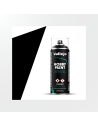
- Silicone spray: easier to apply and with a more superficial effect. Useful for general maintenance, protection of rubber and plastic parts, and in some cases as a release agent.
- Moulding silicone (two-component): for the manufacture of flexible moulds. It is worked by mixing two components in exact proportion. Once cured, it forms a flexible and durable negative ideal for replicating detailed parts.
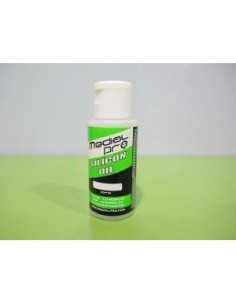
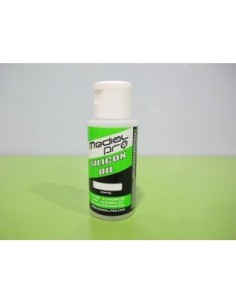
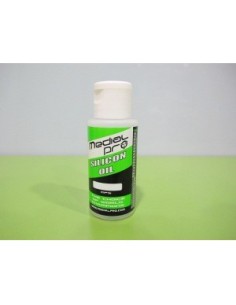
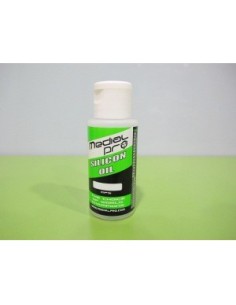
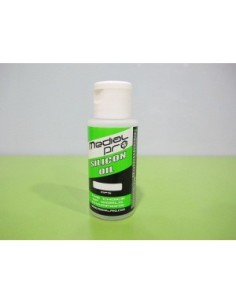
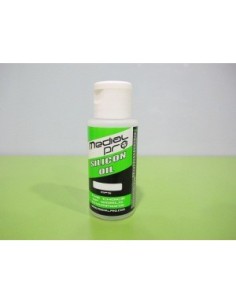
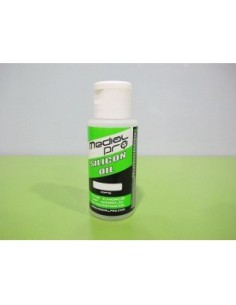
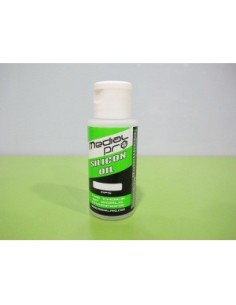
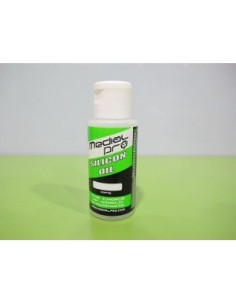
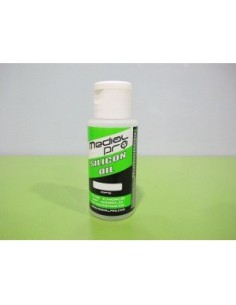
- Silicone oil: a low-viscosity product used as a light lubricant on delicate mechanical parts. In slot, it can be applied in some points of the drivetrain, always with care, as excess can contaminate tyres and track.
The correct choice comes from understanding what you need. There is no "best silicone" in a generic sense; there is the most suitable for each application.
Technical aspects we should know
There are several technical concepts that are worth clarifying before working with silicones, especially in the context of slot racing.
Shore hardness of tyres
Slot tyres are manufactured with different hardnesses, measured on the Shore A scale. A softer tyre (low Shore A) offers more contact surface and more grip, but wears out faster and can deform more easily. A harder tyre (high Shore A) is more durable and stable, but has less traction when cold. Treatment silicone acts by reducing Shore hardness: it is important to understand that this effect can be reversible (if the tyre "rests") or permanent if the treatment is intensive.
Compatibility with materials
Not all silicones are compatible with all materials. Some formulations may attack certain plastics or adhesives. Before applying any product to a delicate or painted part, it is advisable to do a test on a non-visible area. This is especially relevant in modelling, where we work with acrylic paints (Vallejo, Tamiya, Kaleido, Ammo) that may react differently to chemical products.
Temperature and curing time
In two-component moulding silicones, ambient temperature directly affects curing time. In cold environments, the process slows down. In warm environments, it accelerates. Working outside the recommended ranges can yield unpredictable results: soft moulds, uncured areas, or internal bubbles.
Track contamination
In the context of slot racing, one of the most serious risks is track contamination with silicone. If silicone spray is applied near the track or if an over-treated tyre leaves residues on the rail, it can drastically affect the grip of all cars. This is a critical point in competition: silicone application should always be done away from the track area and with the necessary resting time before running.
Practical tips for use and maintenance
Over the years, more experienced enthusiasts develop their own techniques. Here are some of the most established:
- Control the treatment time: if you use liquid silicone to soften tyres, start with short times (10-15 minutes for medium hardness tyres) and increase according to the result. Note the times so you can repeat the process.
- Let them rest before running: after treatment, let the mounted tyres rest for at least 30-60 minutes before putting the car on the track. This allows the silicone to distribute evenly and avoids leaving residues.
- Use absorbent paper to clean excess: if you apply too much silicone, remove the excess with soft paper. Do not use fabric that may leave fibres.
- For collection preservation: a light application of silicone spray on natural rubber tyres every few months can prevent the hardening and cracking typical of aged rubber.
- In moulds: apply the release agent before pouring the silicone if you are working on porous surfaces. Always mix by weight, not by volume, for two-component products.
Common mistakes we should avoid
Whether you are new to using silicones or have been doing it for a while, these mistakes are more common than they seem:
- Over-treating tyres: a tyre that is too soft not only performs worse; it can deform with the heat of friction and ruin a practice session or a race.
- Using general-purpose silicone as if it were specific for tyres: not all silicones have the same formulation. Some industrial ones may contain additives that damage the tyre material or leave difficult-to-remove residues.
- Applying silicone spray near the track: as mentioned, it contaminates the surface and ruins grip for all cars that run afterwards.
- Not respecting proportions in two-component silicones: the curing of these products is a chemical reaction that requires exact proportions. Improvising with quantities yields unpredictable results.
- Storing treated tyres in closed bags: silicone needs to "breathe" during resting. Storing treated tyres in airtight bags can cause the process to continue uncontrollably.
- Forgetting to test compatibility with paints: in modelling, silicone applied to a painted area without prior testing can lift the paint layer or leave it with an undesired finish.
Recommendations for beginners and advanced users
If you are starting
The most sensible thing is to start with a product specific for slot tyres, in liquid form and with clear instructions. Apply it to tyres of cars that are not your competition reference until you understand how that product responds with the materials you usually use. Polyurethane and natural rubber tyres do not respond the same; learn the differences before treating critical tyres.
If your interest lies in modelling and you want to try moulding silicone, start with starter kits that include both parts of the two-component with mixing instructions and curing times. First reproduce simple parts before attempting something more complex.
If you already have experience
Advanced users usually have their own treatment protocols adjusted to their usual track, the type of tyre they use, and the temperature conditions. If you compete regularly, keeping a record of treatments (product, time, temperature, result) will help you fine-tune the process systematically.
In competition, remember that some regulations limit or prohibit the use of additives on tyres. Always check the rules of the championship you participate in before treating your tyres.
| Type of silicone |
Main use |
Common format |
User profile |
| Liquid for tyres |
Soften and provide grip in slot |
Bottle with applicator |
Slot driver, competition |
| Silicone spray |
Preservation, protection, release agent |
Aerosol |
General maintenance, modelling |
| Two-component moulding |
Manufacture of flexible moulds |
Kit A+B by weight |
Advanced modeller, resins |
| Silicone oil |
Light lubrication of parts |
Bottle with fine dispenser |
Slot workshop, fine mechanics |
Frequently asked questions
Can I use any silicone on the market to treat the tyres of my slot car?
No. Industrial or household silicones may contain additives that damage the rubber or leave residues. Always use products specific for this application, formulated for polyurethane or slot rubber tyres.
How long should I leave the tyres soaking in silicone?
It depends on the product and the result you are looking for. As a starting point, between 10 and 30 minutes for moderate softening. Longer times yield more intense and difficult-to-reverse results. Always note the time to be able to repeat or adjust in future sessions.
Does silicone spray contaminate the track?
Yes, if applied near it or if treated tyres are put on the track without the appropriate resting time. Silicone reduces the grip of the running surface and affects all cars that circulate afterwards. Always apply away from the track and wait before running.
Is the effect of silicone on tyres permanent?
In gentle treatments, the tyre tends to recover some of its original hardness over time (especially if stored correctly). In intensive or prolonged treatments, the change can be definitive. That is why it is important to start with short times.
Can silicone be used on plastic tyres?
Hard plastic tyres do not absorb silicone in the same way as rubber or polyurethane ones. The effect is practically nil and it does not make sense to apply it with the intention of softening. For superficial preservation, a light spray application can help maintain appearance.
Is silicone suitable for lubricating the motor of my slot car?
It is not the most suitable lubricant for the motor itself. For bearings and shafts, there are specific lubricants (very fine oils). Silicone oil can be used in some points of the drivetrain with great caution and in minimal amounts, but never in areas close to the tyres.
What is the difference between moulding silicone and tyre silicone?
They are completely different products. Moulding silicone is a high-viscosity two-component that cures to form an elastic solid, designed to create negatives of parts. Tyre silicone is a liquid compound designed to penetrate the rubber and modify its hardness. They are not interchangeable.
Can I use silicone spray as a release agent for resins?
In some cases yes, although specific release agents yield better results. If the mould is made of two-component silicone on a non-porous surface, silicone spray can work as a separator. For porous surfaces (wood, plaster), it is preferable to use a release agent formulated for that purpose.
How long do the effects of silicone last on a treated tyre?
It depends on storage conditions and the amount of running. In general, a treated tyre stored correctly (without airtight bag, at stable temperature) can maintain its softening for days or weeks. With the heat of friction on track, the process of recovering hardness accelerates.
Is it necessary to clean the tyre before applying silicone?
Yes. A dirty tyre or one with track residues absorbs the treatment poorly and the result is uneven. Clean the tyre with a dry cloth or a mild cleaner before applying silicone to ensure the product acts on clean rubber.
Can I use silicone on already painted parts in modelling?
With caution. Some formulations may affect layers of varnish or acrylic paint that are not fully cured. Always do a test on a non-visible area before applying to the complete part.
What type of silicone do you recommend for preserving tyres of a diecast collection?
A silicone spray with a gentle application, without aggressive additives. The idea is to hydrate the rubber to prevent hardening and cracking, not to soften it intensively. A light application every few months is sufficient to maintain the original appearance of the tyres.