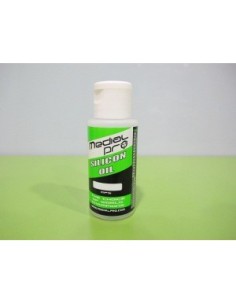
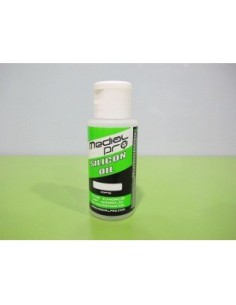
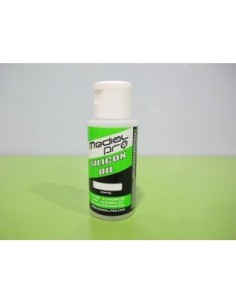
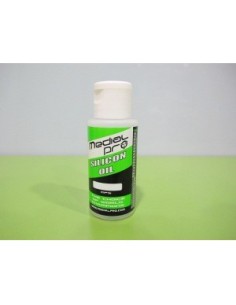
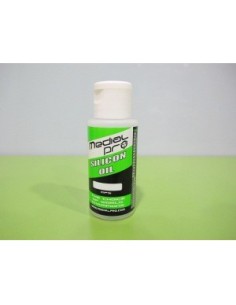
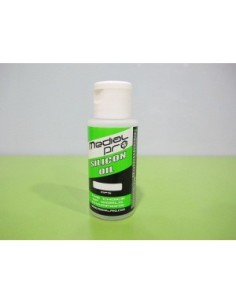
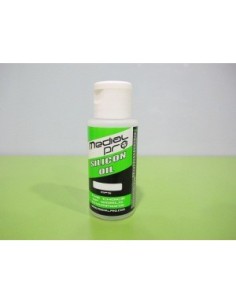
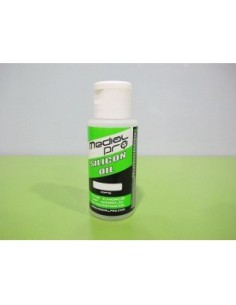
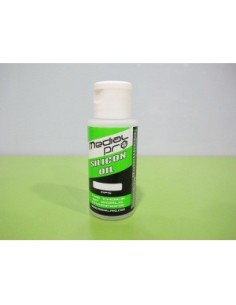
When a slot car loses traction, it sounds more than it should, or a resin figure starts to show signs of deterioration, often the solution is simpler than it seems: a drop of the right lubricant in the right place. Oils, silicones, and greases are one of those groups of products that go unnoticed until you need them, but they make a real difference in performance, durability, and the final appearance of any project. Whether you are preparing a car for competition, looking to preserve a collectible diecast, or giving the final touches to a static model, lubrication and conditioning of parts are part of the process.
In the world of slot, proper lubrication of motors, axles, gears, and guides is not an advanced hobbyist's whim: it is basic maintenance that extends the lifespan of the material and improves the car's response on track. In static modeling, silicones and oils appear in tasks as varied as setting decals, creating wet effects, or lubricating hinges and moving parts of an articulated model. In short, it is a cross-sectional family of products that every hobbyist ends up needing.
In this section, you will find light engine oils, greases for plastic and metal gears, spray and liquid silicones, precision lubricants for axles and bearings, and specific products for the maintenance of circuits and tracks. Each one has its specific function, and mixing or substituting them without criteria can do more harm than good. That is why it is worth understanding what is on the market and how to use it correctly.
What are oils, silicones, and greases and why do they matter in the hobby
Lubricants in the world of modeling and slot are divided into three main families according to their composition and viscosity: oils, silicones, and greases. Although the goal of all of them is to reduce friction between moving parts or protect surfaces, each one is designed for different conditions.
Oils are low-viscosity lubricants, fluids that penetrate well into hard-to-reach areas: bearings, axles, bearings, the interior of motors. In slot, very light oils —sometimes called watch or precision oils— are commonly used, which do not add additional resistance to rotation and allow the motor to work with the least possible load.
Silicones are synthetic polymers with lubricating and water-repellent properties. In spray format, they are especially useful for treating plastic tracks, preventing dust from adhering and improving the sliding of cars. In liquid or gel form, they are used to set decals in modeling, create effects of wet surfaces, or as a release agent. They are compatible with most plastics, making them the safe option when you are unsure of the material being treated.
Greases have a higher viscosity than oils and stay in place longer. They are ideal for gears —crown gears, pinions, bearings— where a persistent layer of lubrication is needed under mechanical load. A poorly chosen grease can be too thick for a small gear and cause more resistance than it prevents; one that is too light disperses quickly and leaves the parts unprotected.
Overall, these products are the basis of preventive maintenance: using them at the right times and places prevents premature wear, mechanical noise, breakages, and loss of performance.
How to correctly choose the lubricant for each application
The key to choosing a lubricant is to think first about the application and not the product. Before choosing, it is advisable to ask yourself three questions: what type of parts am I going to lubricate?, are they plastic, metal, or both?, do I need the lubricant to stay in place or to flow into the part?
For slot motors, the usual choice is a very light, low-viscosity oil applied with a dosing needle directly onto the bearings or the motor shaft. A single drop is sufficient; excess can reach the braids or the guide and cause electrical contact problems.
For axles and bearings, depending on the type (bronze bearings or ball bearings), light oil can be used or, in the case of quality ball bearings, a specific bearing oil that offers a bit more body without slowing down rotation.
For gears —crown gears and pinions in slot, mechanisms in articulated models— grease is the correct option. There are specific greases for plastic-plastic gears and others for metal gears. Mixing a grease intended for metal with plastic can attack the material over time.
For tracks and circuits, silicone spray cleans, protects, and improves the grip of the cars. It is applied in small amounts, distributed with a cloth, and allowed to dry before running. It provides a layer that reduces accumulated dirt and stabilizes the car's behaviour in corners.
For decals and effects in modeling, softening silicone liquids allow the decal to adapt to surfaces with relief or texture without generating bubbles or folds. Products like those from Vallejo or Tamiya in this category are references for static modelers and figures.
Main types and differences
We review the most common formats you will find in this catalogue and what each one is for:
- Precision oil (watch/motors): Very fluid, low viscosity. Ideal for motors, axles, and slot bearings. Applied with a needle or dispenser. Penetrates well and leaves no thick residue.
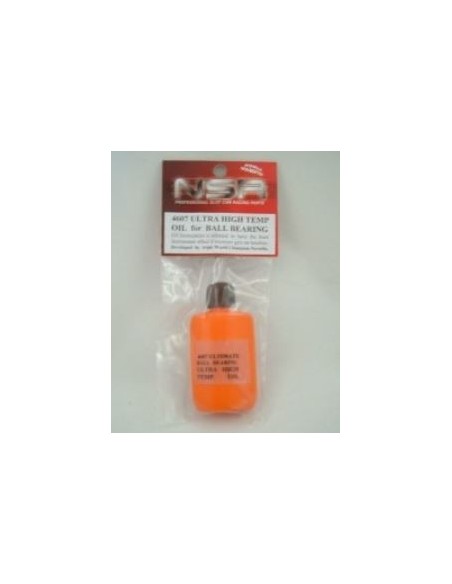
- Bearing oil: Somewhat denser than watch oil, formulated for ball bearings. Protects without slowing down rotation. Widely used in the preparation of competition cars.
- Grease for plastic gears: Medium-high viscosity, compatible with thermoplastics. Protects crown gears and pinions, reduces mechanical noise, and extends the life of the transmission train.
- Grease for metal gears: Greater resistance to heat and pressure. For bearings with metal gears, metal mechanisms in models, or moving parts of dioramas.
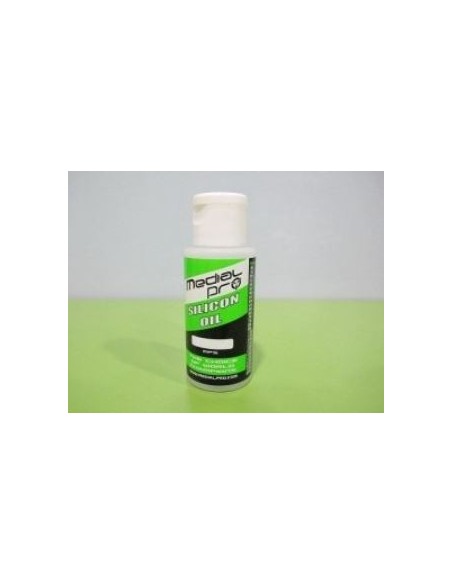
- Silicone spray: Quick and even application. Widely used on slot tracks for maintenance. Also serves as a release agent in resins and to lubricate plastic parts that rub against each other.
- Liquid silicone/decals softener: In static modeling and figures, helps to set decals on complex surfaces. Applied before the decal (to prepare) and after (to eliminate wrinkles).
- Track and contact cleaners: Although technically not lubricants, they are usually in this same family. They remove rust, dirt, and deposits from the braids and rails before lubricating.
Technical aspects we need to know
Working well with lubricants requires understanding some basic concepts that avoid costly mistakes:
Viscosity and its impact on performance
Viscosity determines how fluid a lubricant is. In slot, using a dense grease on a light motor means adding resistance to rotation, which directly translates to lower speed and more heat generated. Conversely, an oil that is too light in gears evaporates or disperses quickly and leaves the parts unprotected. Each manufacturer usually indicates the recommended viscosity range.
Compatibility with materials
Not all lubricants are compatible with all materials. Some mineral-based oils can attack certain thermoplastics over time, while silicones are generally neutral. In models and figures, this is especially important: before applying any product to a painted part, always check compatibility with the type of paint (acrylic, enamel, lacquer).
Applied quantity
More is not better. In precision lubrication, excess is as serious a problem as lack. A slot motor with too much oil can end up with contaminated braids and lose electrical contact. A gear with excess grease can attract dust and form an abrasive paste. The general rule is to apply the minimum effective amount.
Maintenance frequency
Lubricants degrade with use, heat, and time. In competition cars, it is common to check the lubrication of the motor and axles every few sessions. In collectible or occasional use cars, an annual check before the season is usually sufficient. Slot tracks benefit from a silicone treatment every few sessions, especially if used in dusty environments.
Practical tips for use, maintenance, and preparation
Experience in the workshop, both in preparing cars for competition and in maintaining collections, leaves some clear lessons:
- Clean before lubricating. Applying oil or grease over dirt or old residues does not lubricate: it mixes and creates an abrasive compound. It is always advisable to clean the area first with an appropriate cleaner or a lint-free cloth.
- Use precision dispensers. Syringes with fine needles or dosing bottles allow for minimal and controlled amounts to be applied. Essential for motors and bearings.
- Record what you have applied and when. In competition cars, keeping track of maintenance helps to detect patterns: if the motor needs lubrication every few sessions, there may be a sealing or temperature problem.
- Store products correctly. Some oils and silicones degrade with direct light or extreme temperatures. Store them in a cool, dark place, well closed. Sprays should be stored upright and away from heat.
- On tracks, apply silicone spray sparingly. Excess can cause tires to lose grip instead of gaining it. A thin, even layer, well distributed, is what the experienced hobbyist seeks.
- For decals in modeling, use the softener in two phases: one application before placing the decal (on the surface) and another on top once positioned. Cover with a damp cloth to protect while drying.
Common mistakes we should avoid
Even among experienced hobbyists, there are mistakes that are repeated with these products:
- Using WD-40 or household lubricants in slot. WD-40 is a degreaser and anti-corrosive, not a precision lubricant. In the short term, it may seem to work; in the medium term, it dries out and leaves residues that damage components.
- Lubricating without disassembling when necessary. In motors with a lot of use, it is sometimes necessary to disassemble and clean thoroughly before re-lubricating. Adding oil on top of a dirty bearing does not solve the problem.
- Confusing track silicone with structural silicone. Construction or DIY silicones have nothing to do with those for modeling or slot. They can irreversibly damage plastics, paints, and decals.
- Applying grease in the motor thinking that more protection is better. The motor of a slot car works at high revolutions; any added resistance reduces performance. Grease has no place inside the motor, only on external gears.
- Not checking compatibility with paint before using silicone in modeling. Some silicones, especially solvent-based ones, can lift or stain recent paints. Always check in an inconspicuous area.
- Storing products with the cap poorly closed. Light oils evaporate or become contaminated easily. A poorly closed bottle for weeks can render the product useless.
Recommendations for beginners and advanced users
If you are starting
For those starting in slot or modeling, the most practical approach is to begin with a basic lubrication kit: a light oil for motors and axles, a specific grease for plastic gears, and a silicone spray for the track. With these three products, 90% of the usual maintenance needs are covered. Look for small formats —5 or 10 ml dispensers are perfect at first— and do not complicate yourself with special formulations until you understand well what each one does.
In static modeling, a quality decal softener (Vallejo or Tamiya are good references) and a bit of neutral silicone for small joints are enough to start. Always read the product instructions; in precision lubrication, details matter.
For advanced users and competition
In preparation for competition, lubrication becomes part of the car's setup. Experienced preparers work with oils of specific viscosity for different types of motors and track conditions, and differentiate between the initial lubrication of a new motor (running-in) and maintenance lubrication. Some advanced hobbyists test combinations of oil and grease in bearings to adjust the axle's response to different track temperatures.
In high-level modeling, softeners and decal fixers are combined with intermediate varnishes to achieve results of perfect integration on surfaces with a lot of relief. Knowing the drying times and working temperatures of each product makes the difference between an amateur finish and an exhibition one.
| Type of product |
Main application |
Compatible material |
User level |
| Precision oil (motors) |
Motors, axles, slot bearings |
Metal, bronze |
All |
| Bearing oil |
Ball bearings |
Metal |
Intermediate / Advanced |
| Grease for plastics |
Crown gears, pinions, gears |
Plastic, nylon |
All |
| Grease for metals |
Metal gears, bearings |
Metal |
Intermediate / Advanced |
| Silicone spray |
Slot tracks, plastic parts |
Plastic, metal |
All |
| Decal softener |
Models, figures, dioramas |
Painted plastic, resin |
All |
| Contact cleaner |
Rails, braids, tracks |
Metal, conductive plastic |
All |
Frequently asked questions
How often should I lubricate the motor of my slot car?
It depends on usage. In competition cars with long and frequent sessions, a motor check every 3-5 intense sessions is reasonable. In cars for occasional use, a check before each season or every 10 hours of running is sufficient. If you notice that the motor sounds louder or runs hotter than usual, check it sooner.
Can I use the same oil for the motor and for the axles?
In many cases yes, as long as it is a light precision oil. Some manufacturers offer specific oils for ball bearings that are somewhat denser; for axles with bronze bearings, standard motor oil usually works well. Always check the manufacturer's instructions.
Does silicone spray really improve grip on track?
Yes, but the effect depends on the type of track and tires. On untreated plastic tracks, silicone cleans the surface and creates a uniform layer that stabilizes the car's behaviour. With soft rubber tires, it can improve grip; with polyurethane tires, the effect varies. The key is not to overdo the amount applied.
What is the difference between a decal softener and Micro Sol / Micro Set?
Micro Sol and Micro Set are specific products from the Microscale brand for working with decals. The principle is the same as that of generic softeners: to facilitate adhesion and eliminate bubbles. Brands like Vallejo or Tamiya have their own versions with equivalent results. The application procedure is similar in all cases.
Are greases for plastic compatible with resin parts?
Generally yes, but it is advisable to verify with the product manufacturer. Polyurethane resins (the most common in resin slot cars, such as those from Avant Slot) are more chemically resistant than some thermoplastics. Still, always apply in small amounts and observe if there is any reaction before extending.
Can I use WD-40 on the track or in the motor of my car?
It is not recommended. WD-40 is formulated as a degreaser and anti-corrosive, not as a precision lubricant. It may clean temporarily, but it leaves residues that attract dust and degrade the parts in the medium term. For slot and modeling, always use specific products from the sector.
How do I know if I am applying too much grease on the gears?
If when moving the transmission train by hand you feel resistance or see that the grease accumulates at the edges and is projected out when rolling, you have applied too much. A thin, even layer that covers the teeth of the gear is sufficient. Excess attracts dust and forms an abrasive paste over time.
What product do I use to clean the rails of the track before lubricating?
There are specific contact cleaners for slot circuits that remove rust and deposits without damaging the plastic. You can also use isopropyl alcohol with a lint-free cloth for basic cleaning. Afterwards, silicone spray on the track (not on the metal rails) helps keep the surface in good condition.
Do lubricants have an expiration date?
They do not have an expiration date marked like food, but they do degrade over time, especially if exposed to heat, light, or if the container is opened and closed frequently. An oil that smells rancid or has a cloudy appearance has likely lost properties. Silicone sprays lose effectiveness if the propellant escapes due to a poor seal.
Can I apply silicone over a decal that is already placed without softener?
Yes, but with caution. Neutral silicone in small amounts usually does not damage already set and well-varnished decals. If the decal is recent and has not received a protective varnish layer, the silicone may lift or stain it. It is always better to use the specific softener during the decal application process and protect it with varnish afterwards.
Is there a difference between lubricating a new motor and one that has already been run?
Yes. A new motor should be run in with a minimal drop of oil so that the internal parts settle gradually. Once run in, maintenance lubrication can be somewhat more generous, although always without overdoing it. Some preparers prefer to run new motors dry or with minimal amounts of oil to better control the settling process.