Shopping Cart
-

-
 James Bond Aston Martin 'Goldfinger'€62.00 €69.00
 Mosler MT900R Salvatore Noviello 11th Anniversary EVO3€63.57 €73.57
 Formula 90-97 Blanco/Azul/Amarillo 1990 Nº6 morro bajo€76.30 €79.90
 Porsche 908/3 Turbo White Edition Jürgen Barth€29.50 €36.00
 Advance Audi S1 WRC Sonax€30.00
 -
 Rodador con transformador€40.00
 Punta Hex. 0.9 mm€3.40
 -
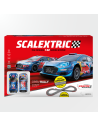 Circuito Open Rally Set€188.43
 Muelle para mandos€2.00




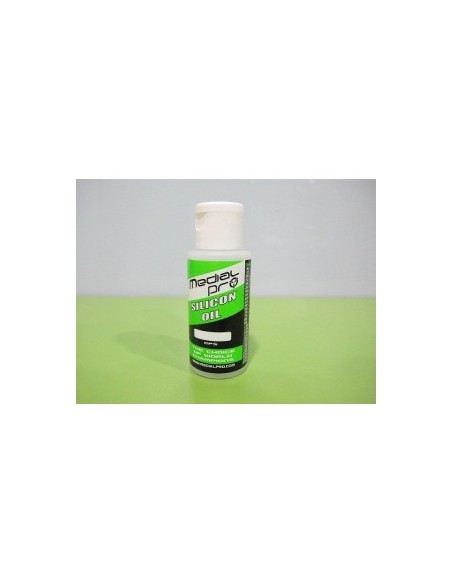
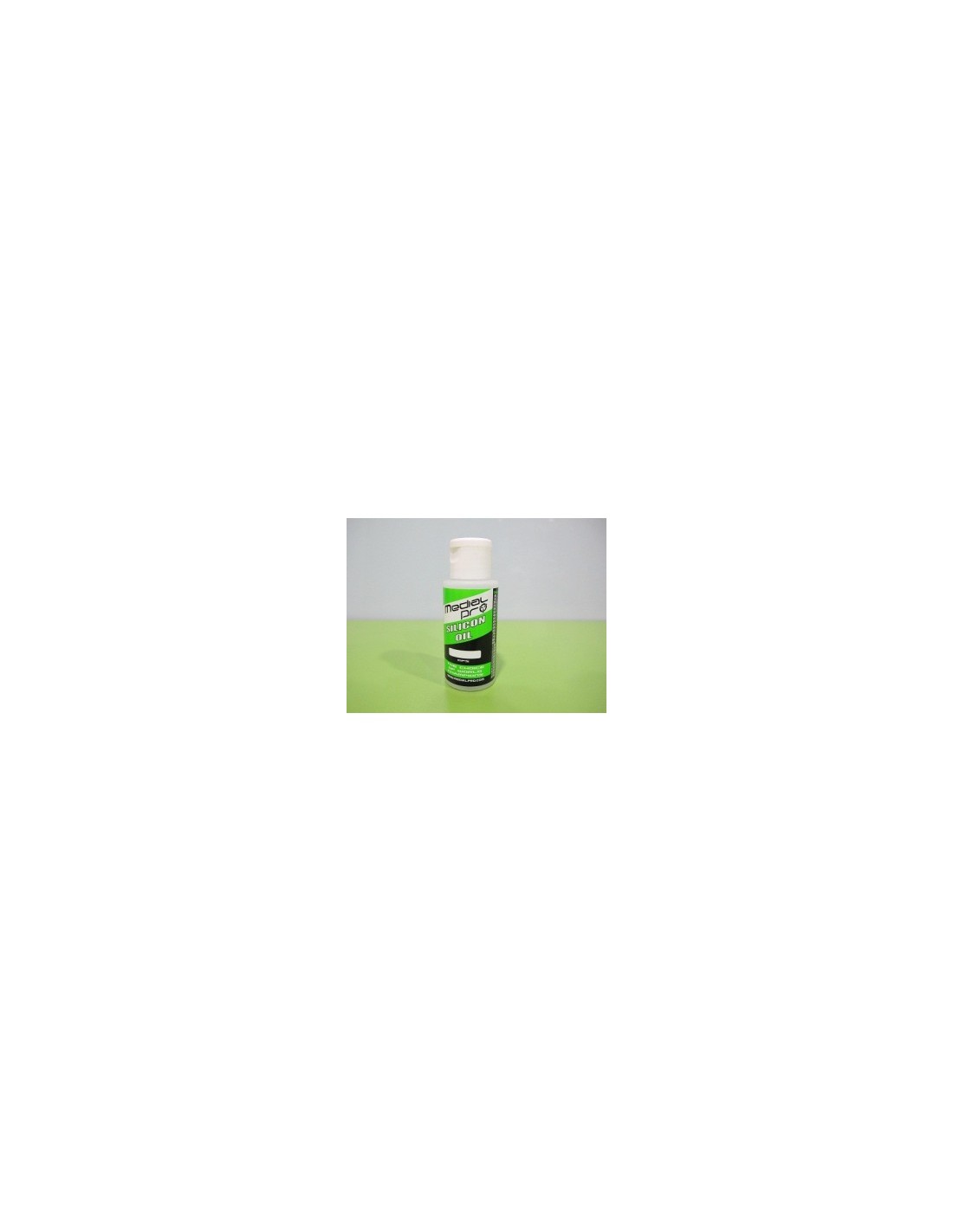
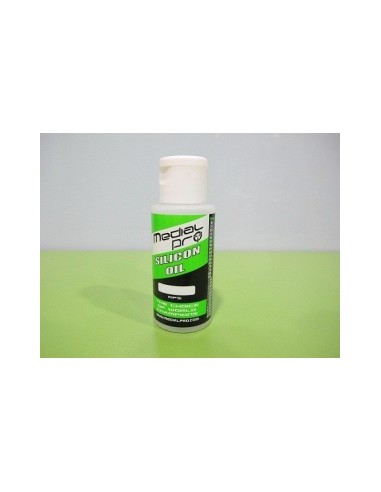
Silicone 5000CPS

Last items in stock
€5.95
Tax included
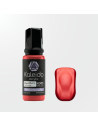
The Silicone 5000CPS (ref. MP010-5000) is the usual ally on the workbench of any serious slot car preparer: a tyre treatment that helps to adjust grip and extend the lifespan of the rubber on track.
The reference silicone for slot tyre treatment
In the world of slot racing, the difference between rolling and winning is often decided by the smallest details. Tyre treatment is one of those details that separates meticulous preparers from the rest, and Silicone 5000CPS (ref. MP010-5000) is a regular part of that process in workshops and clubs across Spain.
What is 5000 CPS viscosity and why does it matter?
Silicones for tyres are classified by their viscosity, measured in centipoise (CPS). The higher the CPS value, the thicker the silicone and the more slowly it penetrates the rubber. The reference 5000CPS occupies a mid-high position on that scale:
- It penetrates the tyre surface in a controlled manner without saturating it.
- It provides elasticity and softness to the rubber, especially useful for tyres that have lost some freshness.
- It generates a progressive increase in grip, without the abrupt effect of very low viscosity silicones.
- It allows for greater control over the final result, ideal for adjusting the car's behaviour to the specific conditions of each track.
Applications and use in slot preparation
The treatment with silicone is a common practice among competitive slot enthusiasts, but also among those who simply want to get the most out of their car during a leisure session. Silicone 5000CPS fits into several scenarios:
- Reactivation of aged tyres: slot rubber tends to harden over time and with exposure to the environment. A moderate application of this silicone restores elasticity and improves track contact.
- Grip adjustment before a race: applied with sufficient lead time, it allows for dosing the level of adhesion according to the type of track (wood, plastic, carpet…).
- Regular maintenance: incorporated into the car preparation routine, it helps keep the tyres in good condition for longer.
Recommended application method
To achieve consistent results, we recommend following these basic steps:
- Clean the tyres with a dry cloth or lint-free paper to remove dust and track debris.
- Apply a small amount of silicone to the tyre — a few drops are sufficient — with a fine brush, swab, or microfiber cloth.
- Distribute evenly across the entire tread surface.
- Allow to rest for the necessary time for the silicone to penetrate; with 5000CPS, this time is slightly longer than with more fluid silicones.
- Remove any excess before going on track to avoid staining the lane.
The amount and application time are variables that each preparer adjusts according to their experience and the conditions of the track. We recommend conducting controlled tests before an important competition.
Points to consider
- The use of silicone on tyres may be regulated or directly prohibited in some categories of federated competition. Always check your championship regulations before applying it.
- An excess of silicone does not improve grip; on the contrary, it can reduce it and dirty the track. Less is more.
- 5000CPS viscosity is not the most suitable for rapid penetration in emergency treatments; for that, there are silicones with lower CPS.
Frequently asked questions
How does this silicone differ from one with 1000CPS or 10000CPS?
Viscosity determines the fluidity of the product. A 1000CPS silicone is much more liquid and penetrates the rubber faster, with a more immediate effect but less durability. A 10000CPS silicone is very thick and primarily acts on the surface. The 5000CPS offers a balance between penetration and durability, making it a versatile option for general use.
Is it compatible with all types of slot tyres?
Generally yes, although the result varies depending on the rubber composition. Urethane tyres and natural rubber tyres respond differently to silicone. We recommend always testing in controlled conditions before generalising its use.
Can I use this silicone on plastic tracks like Scalextric or Ninco?
Yes, but with caution. Excess silicone can leave residues on the lane that affect the performance of all cars running on it. Ensure you apply only the necessary amount and properly remove any excess before racing.
How often should I treat the tyres?
It depends on usage, the type of rubber, and track conditions. Some preparers apply silicone before each session; others do it occasionally when they notice that the rubber has lost grip. There is no one-size-fits-all rule: experience and observation are the best guides.
Can silicone damage the chassis or body of the car?
When applied correctly — only on the tyre and without excess — it should not cause any problems. Avoid contact with painted parts or decals, as some silicones can affect certain finishes if they accumulate.
Silicone 5000CPS (ref. MP010-5000) is a mid-high viscosity tyre treatment for slot car racing, offering controlled penetration and progressive grip enhancement. Suitable for urethane and rubber tyres used on wooden, plastic and carpet tracks. A staple in any serious slot car preparer's workshop, compatible with 1:32 and 1:24 scale vehicles. Available at Ministry of Hobby, your specialist slot car and scale modelling store in Spain.
MP010-5000
2 Items
No reviews
Comments (0)
No customer reviews for the moment.
Tap to zoom