Shopping Cart
-

-
 James Bond Aston Martin 'Goldfinger'€62.00 €69.00
 Mosler MT900R Salvatore Noviello 11th Anniversary EVO3€63.57 €73.57
 Formula 90-97 Blanco/Azul/Amarillo 1990 Nº6 morro bajo€76.30 €79.90
 Porsche 908/3 Turbo White Edition Jürgen Barth€29.50 €36.00
 Advance Audi S1 WRC Sonax€30.00
 -
 Rodador con transformador€40.00
 Punta Hex. 0.9 mm€3.40
 -
 Circuito Open Rally Set€188.43
 Muelle para mandos€2.00





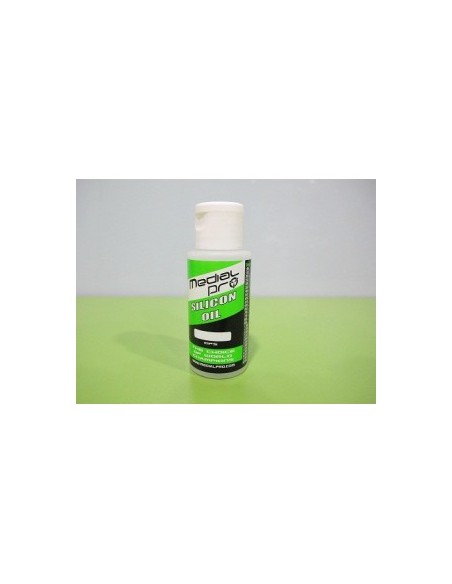
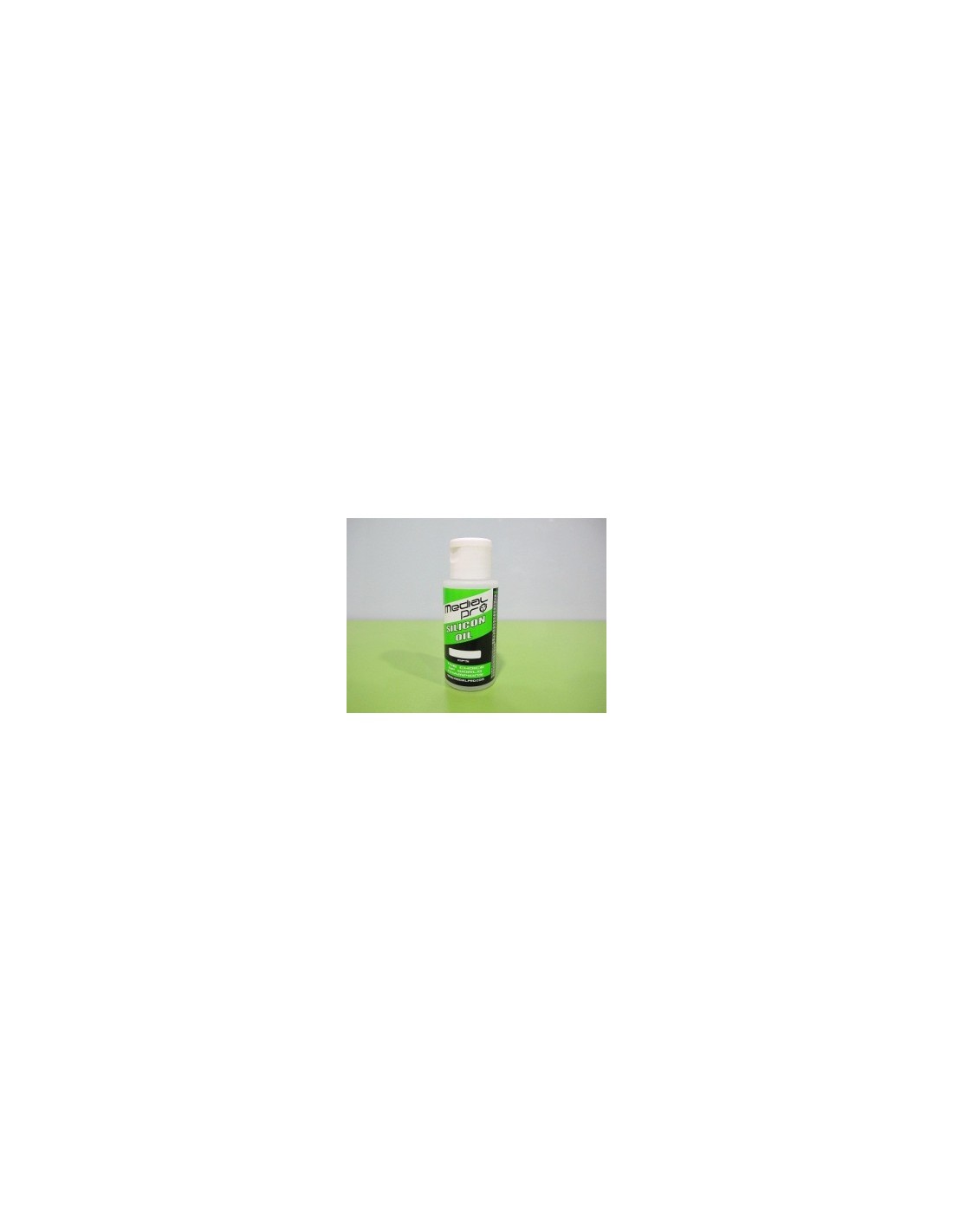
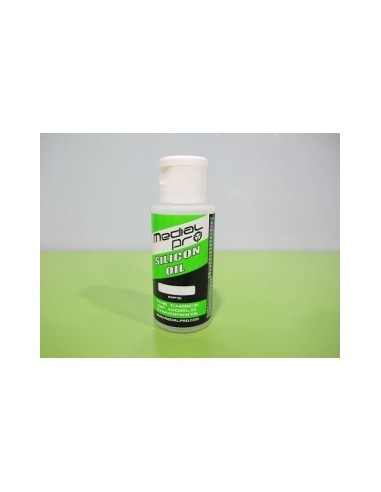
Silicone 5000CPS SPECIAL DIFFERENTIALS

Last items in stock
€5.95
Tax included
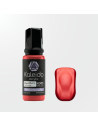
Silicone with a viscosity of 5000CPS specifically formulated for the treatment of differentials in slot cars. It achieves a progressive and controlled torque distribution, essential for precise tuning on the track.
Exact viscosity for a finely tuned differential
When we talk about serious tuning in slot racing, the differential is one of the most delicate and often underrated points. The silicone we use directly determines how torque is distributed between the rear wheels, how the car reacts in corners, and to what extent we can exploit the engine's power without losing traction or control. The Silicone 5000CPS Special Differentials (ref. MP012-5000) is specifically designed to meet this need with the right viscosity.
Main features
- Viscosity 5000CPS: a mid-high point that offers progressive locking of the differential. It transmits torque firmly but without excessive stiffness, ideal for those seeking stability without sacrificing the ability to turn smoothly.
- Specific formulation for differentials: it is not a multi-purpose silicone adapted for this use. It is designed for the interior of the differential, with a consistency that does not degrade easily under the heat and friction generated during long sessions.
- Wide compatibility: suitable for the most common differentials in competitive slot cars and advanced setups.
- Clean and controlled application: its texture allows for precise dosing, avoiding excess that can contaminate tyres or alter the behaviour of the rear end.
What changes with differential viscosity?
This is the underlying debate in any tuning workshop. The viscosity of the silicone in the differential modifies how the rear wheels share or isolate their rotation:
- Low viscosities (100-500CPS): the differential acts almost freely, the wheels rotate with much independence. Smoothness in corners, but a greater risk of losing traction on exit.
- Medium viscosities (1000-3000CPS): balance between turning and traction. Very commonly used on mixed circuits.
- High viscosities like 5000CPS: the differential tends more towards locking. Greater traction on corner exit, more stable and predictable behaviour on fast sections. Especially effective on circuits with many chicanes or wide-radius corners where exit power is key.
The choice of 5000CPS is common among drivers looking for a car with a firm character, that does not easily drift and responds decisively to throttle input.
Recommended applications
- Preparation of differentials in competitive slot cars.
- Tuning adjustments in practice sessions and club championships.
- Reconditioning of differentials after periods of intensive use.
- Drivers seeking greater stability and exit traction compared to looser setups.
Assembly and preparation
To achieve maximum performance from this silicone, we recommend thoroughly cleaning the differential before applying it, removing any remnants of previous silicone or grease. A minimal amount, well distributed inside the differential, is sufficient: excess does not improve the result and can create dirt in areas close to the rear end. After assembly, it is advisable to run gently for a few minutes to allow the silicone to settle and the behaviour to stabilise before timing laps.
Common mistakes
- Applying too much: it does not provide more locking, it only creates mess. A small drop is sufficient for most differentials.
- Mixing viscosities without cleaning: if remnants of a previous silicone remain, the final result will not correspond to either viscosity. Always clean beforehand.
- Not running after assembly: the newly assembled behaviour is not representative. Allow the assembly to settle before drawing conclusions.
Frequently asked questions
What type of differentials is this silicone suitable for?
It is compatible with the most common differentials in 1/32 and 1/24 scale slot cars, both ball-type and integrated crown-type. Always check the manufacturer's recommendations for your differential to confirm compatibility.
How does a 5000CPS silicone differ from a 1000CPS one?
The 5000CPS has greater resistance to flow: the differential tends more towards locking, resulting in greater traction on corner exit and more stable behaviour in acceleration sections. The 1000CPS allows more independence between wheels, favouring turning in tight corners.
How often should the differential silicone be renewed?
It depends on usage. In regular competition, checking the differential every few sessions is good practice. If you notice changes in the behaviour of the rear end or the differential starts to act irregularly, it is time to clean and reapply.
Can I use this silicone on other parts of the car?
It is specifically formulated for differentials. For other applications (suspensions, dampers, gears), there are silicones with different viscosities adapted to each function. Using the incorrect viscosity can alter the behaviour of the assembly.
Does temperature affect the performance of the silicone?
All silicones slightly vary their viscosity with temperature. Under normal indoor circuit usage conditions, the 5000CPS maintains very stable behaviour. In outdoor competitions or with large thermal variations, it is advisable to do some warm-up laps before adjusting the final setup.
The MP012-5000 5000CPS differential silicone is a precision lubricant specifically designed for slot car differentials, offering a high-viscosity formulation that delivers progressive locking, improved rear traction, and consistent on-track performance. Compatible with the most common 1/32 and 1/24 scale slot car differentials, it is the go-to choice for club racers and serious hobbyists looking to fine-tune their car's handling characteristics. Available at Ministry of Hobby, your specialist in slot car preparation, scalextric, and high-end motorsport modelling.
MP012-5000
2 Items
No reviews
Comments (0)
No customer reviews for the moment.
Tap to zoom